When Food Connects began working toward Organic certification, we faced questions familiar to many food hubs: What do these requirements mean for our operation? What needs to change? Where do we start?
The Transition to Organic Partnership Program (TOPP) helped us answer those questions. Since then, our role has grown from receiving support to helping other food hubs navigate the same process. Looking back, that progression captures what has made TOPP valuable to Food Connects: access to practical guidance, opportunities to learn alongside peers, and support for developing expertise we can share.
In 2024, our Food Hub earned Organic certification with support from Vermont Organic Farmers and TOPP. It was an important step in protecting the integrity of the Organic products moving through our warehouse and out to customers. It also gave us firsthand experience with a process we would soon help other organizations understand. Read our certification announcement.
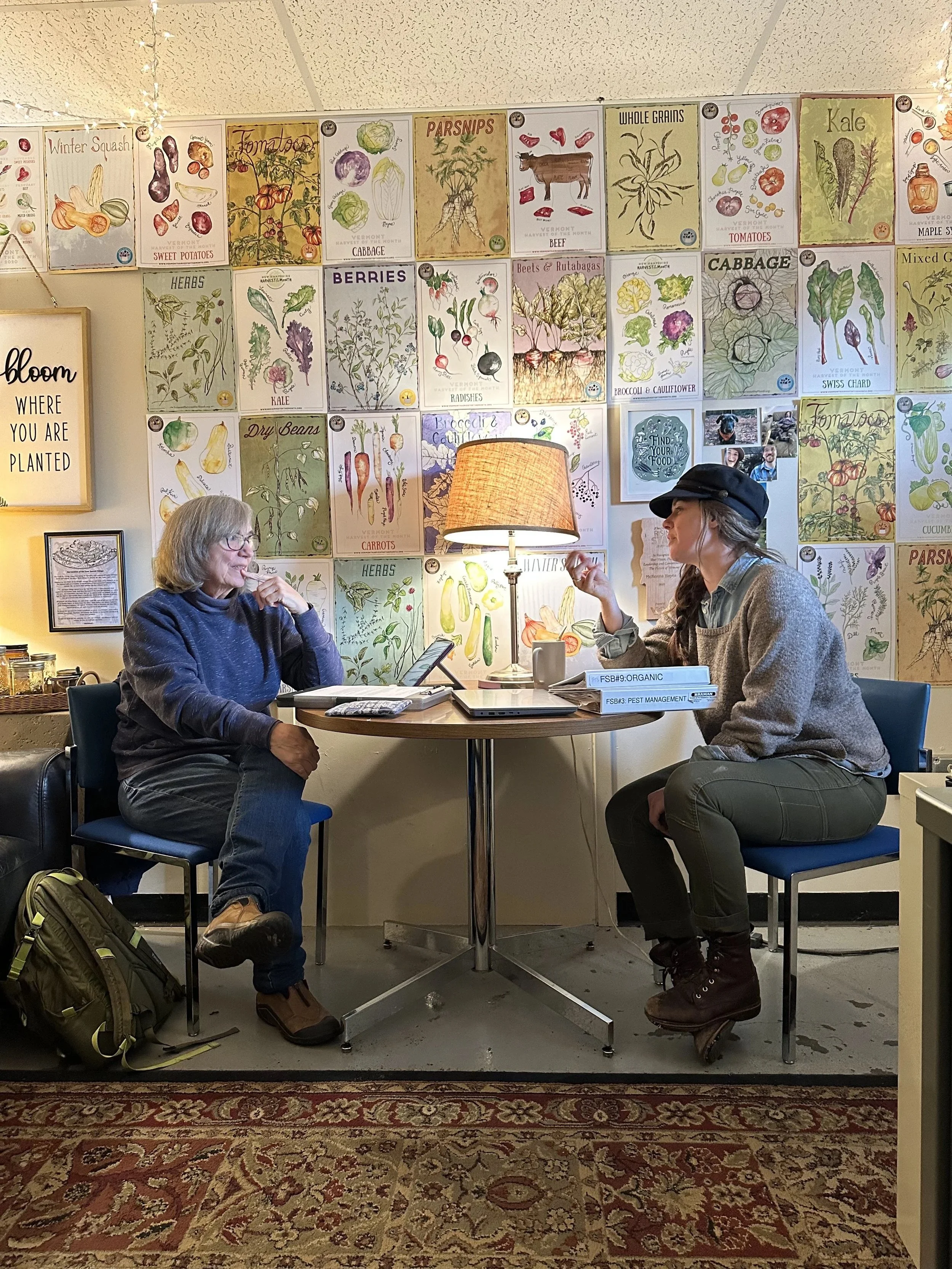
Our certification journey was part of a Vermont TOPP mentorship cohort supported by NOFA-VT. Seven food hubs worked with mentor Joe Dickenson of Lot49 Advisors through group training, individual coaching, site visits, and mock inspections. Learning together meant hubs could share procedures, compare questions, and work through common challenges.
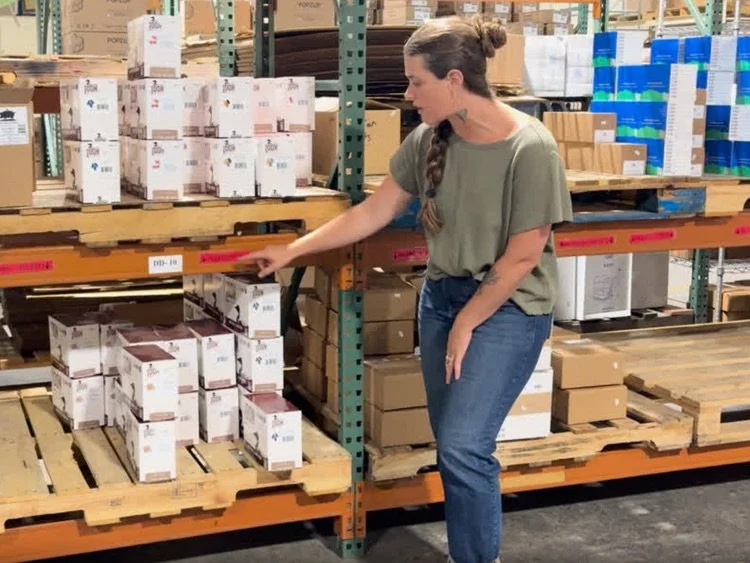
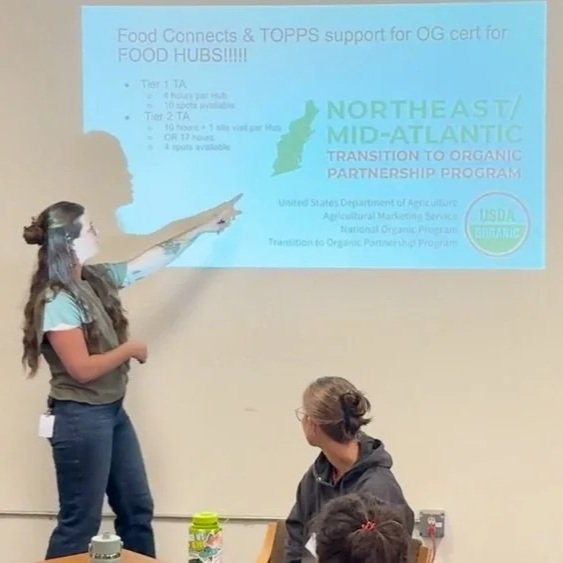
That experience now informs the technical assistance led by McKenna Hayes at Food Connects. Her work starts with understanding each operation: whether organic certification applies, which practices already support compliance, and where adjustments are needed. For a small team managing daily orders and deliveries, identifying those specific next steps can make the process feel achievable.
This support also serves the farms behind the products. Organic growers invest time, labor, and resources in certification. Maintaining organic integrity through storage, handling, and distribution helps protect that investment and preserve buyers’ trust in the label. Read more about our work helping hubs navigate organic requirements.
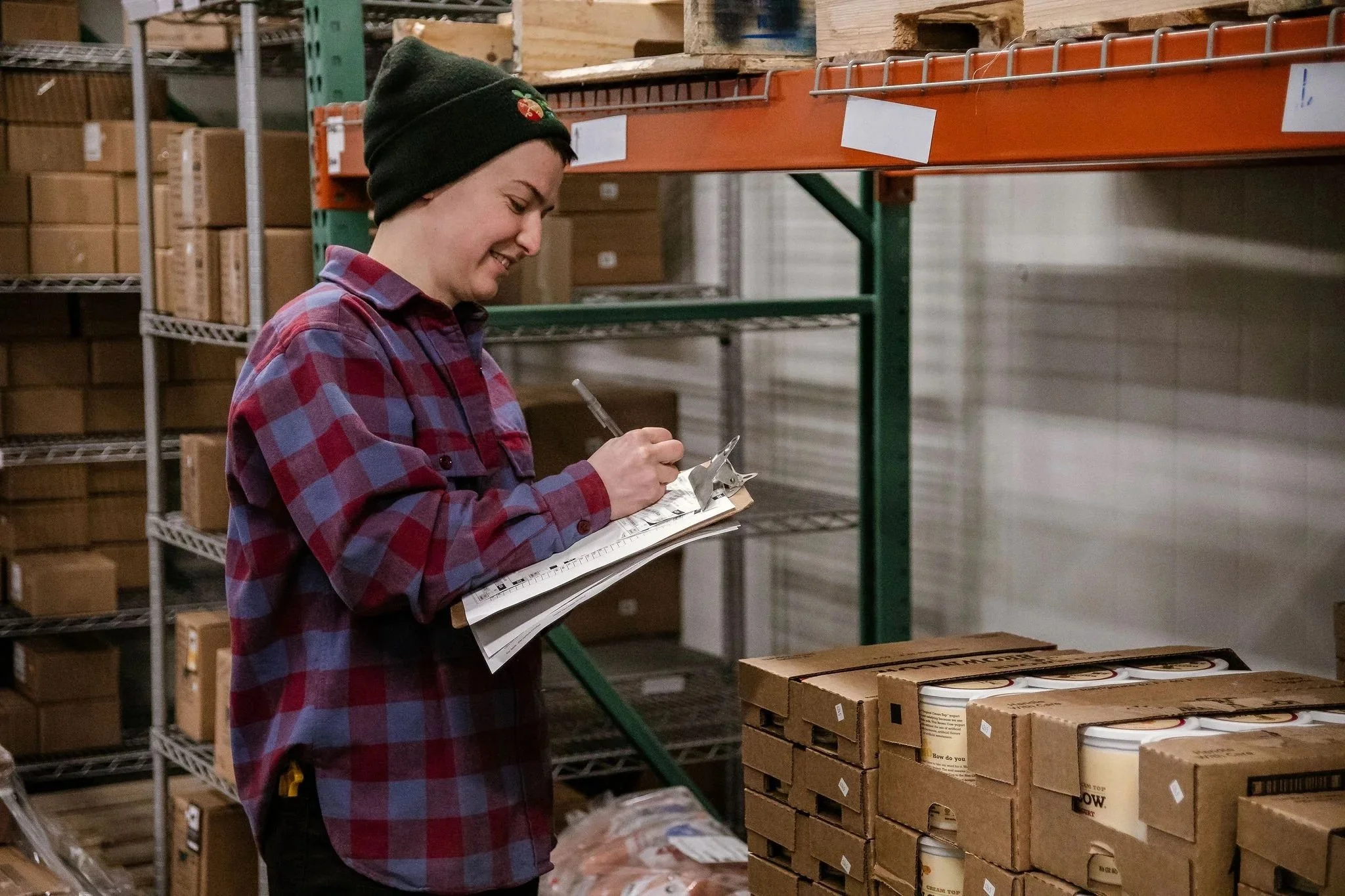
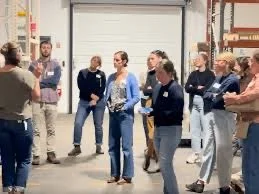
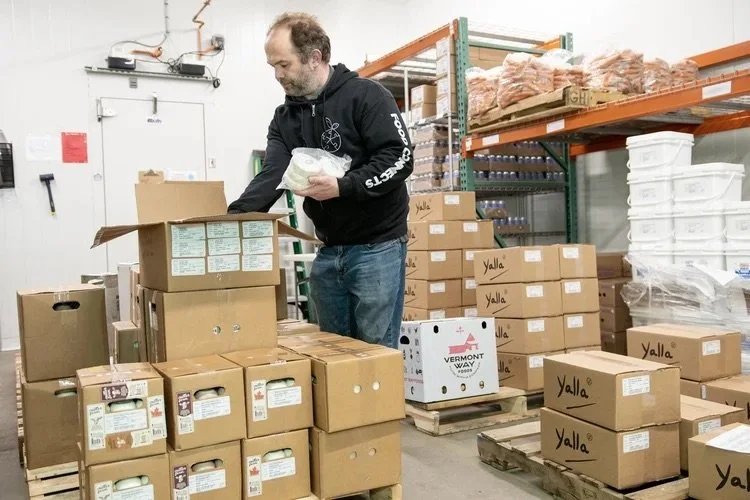
As our experience grew, we began inviting others to our Food Hub to promote deeper learning. In September 2025, we welcomed 21 members of the New England Food Hub & Processors Network to Brattleboro. Participants toured the warehouse, examined practices such as lot tracking and sanitation documentation, and discussed the challenges of preparing for audits while working within tight budgets.
Seeing those systems in use gave participants something concrete to bring back to their teams. Questions about documentation, staff training, and funding could be discussed alongside the actual work of receiving, storing, and distributing food.
The visit reflected a lesson we continue to take from TOPP: sharing what we have learned can save another organization time and uncertainty. Through webinars, coaching, and tools shared with regional and national food hub networks, that exchange has extended beyond our own facility. Read about the network’s visit.
TOPP has also created opportunities to deepen the expertise behind that support. In 2026, McKenna joined the MOFGA’s TOPP Inspector Mentorship Program, focused on handler and processor inspections. Working with mentor Wendy Sue Harper, she has been developing a closer understanding of how inspectors evaluate operations and connect certification requirements to regulatory language.
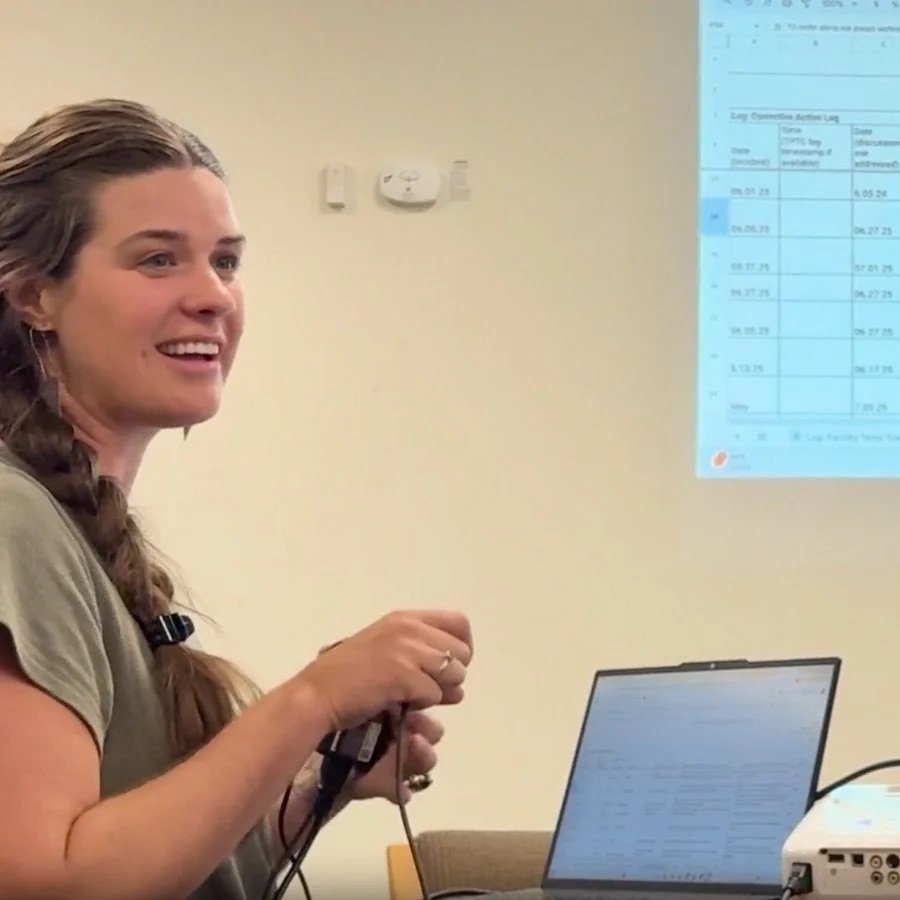
The training has reinforced the importance of communication, empathy, and professionalism. For operators preparing for inspection, having someone explain expectations clearly and understand the pressures of running a business matters. For Food Connects, this learning strengthens our ability to help hubs examine their systems, recognize gaps, and prepare with greater confidence. Read about McKenna’s inspector mentorship.
We are carrying these lessons forward through our Technical Assistance Program. Our approach draws on the work of operating a food hub and the value of having knowledgeable partners alongside us. We offer individual guidance, workshops, mock audits, site visits, and shared resources that help organizations turn requirements into manageable daily practices.
That work reaches beyond organic certification. Food safety systems and audit preparation can help hubs meet buyer expectations and pursue new markets. Our own 2025 cGMP certification, which opened the door to supplying the University of Vermont through Sodexo, showed how those investments can create opportunities for regional producers.
TOPP helped us build knowledge we can continue putting to work. Moving forward, we will apply that experience by sharing tools, supporting peer learning, and helping hubs develop systems that fit their operations. The goal remains closely tied to why Food Connects exists: helping regional farms and food businesses reach buyers and keeping local food moving through reliable, trusted supply chains.
Interested in support for your food hub or institution? Explore Food Connects’ Technical Assistance Program to start a conversation about your next steps.