Food Connects first turned to TOPP (Transition to Organic Partnership Program) when new regulations defined in the Strengthening Organic Enforcement (SEO) changed the requirements for Food Hubs handling Organic product. Now McKenna Hayes is helping other food hubs understand the rules, prepare for certification, and keep Organic products moving through regional supply chains.
When new Organic rules took effect, many food hubs were left asking the same question: does this apply to us?
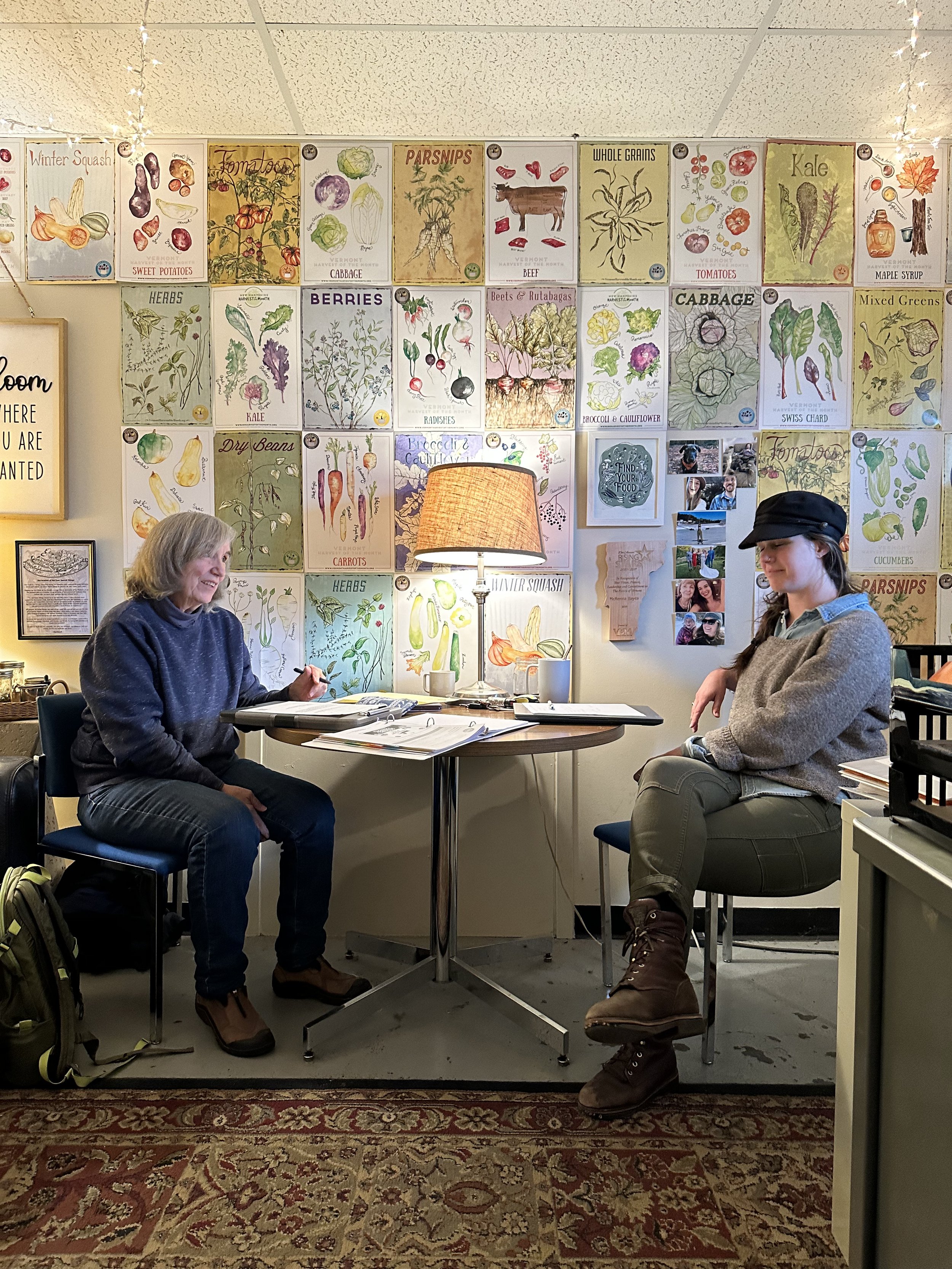
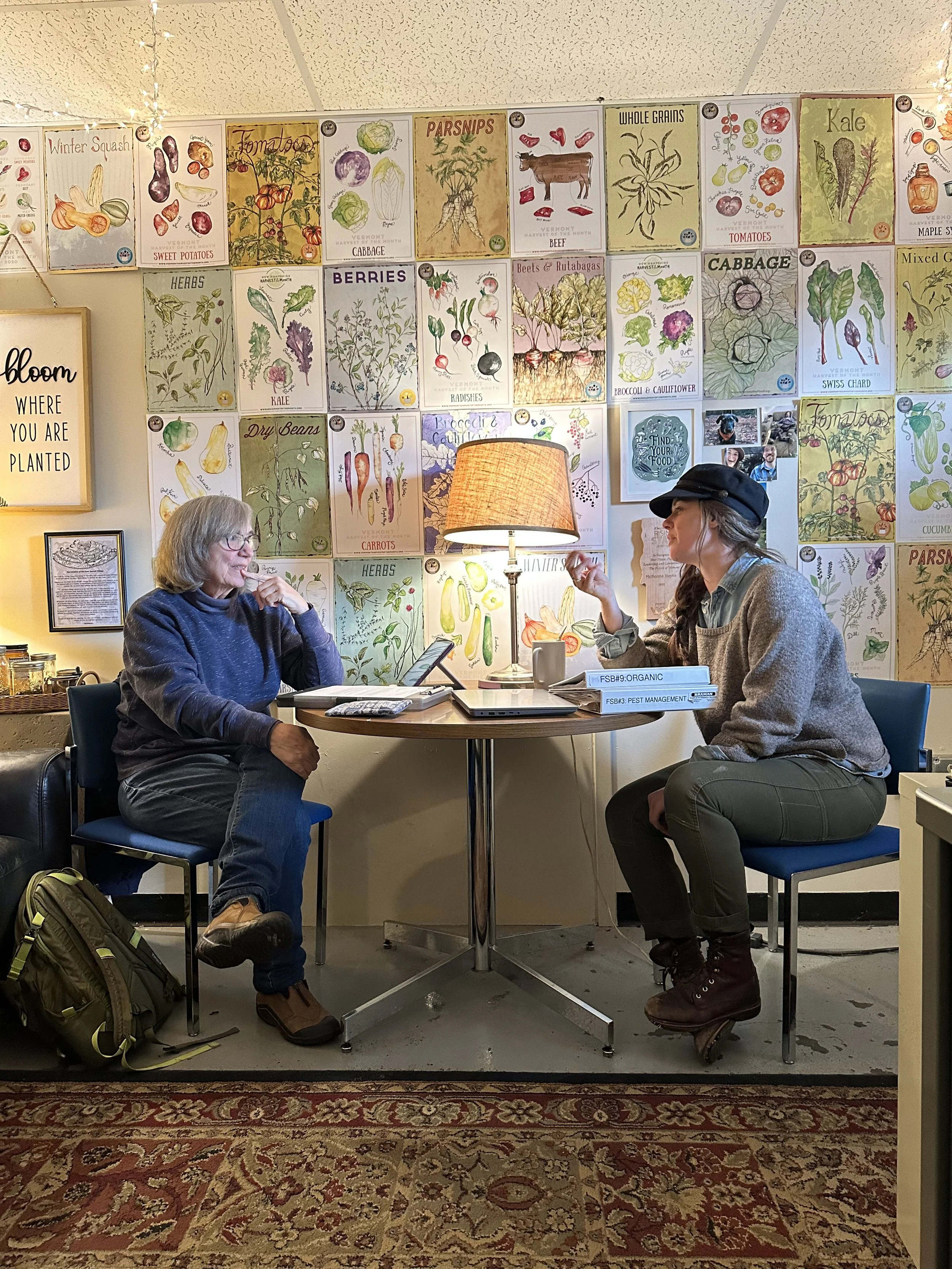
For Food Connects, that question quickly became practical. As a distributor of certified Organic products, the organization had to understand how the new Strengthening Organic Enforcement requirements applied to its operation and what certification would require. Food Connects joined a Vermont mentorship cohort through TOPP, with support from NOFA VT. During this process, seven food hubs worked with their mentor Joe Dickenson at Lot49 Advisors, learning about and implementing new SEO requirements through group trainings, , one-on-one coaching, site visits, and mock inspections.
That experience now shapes the work McKenna Hayes leads through Food Connects’ Technical Assistance Program. After going through certification as part of the Vermont cohort, Food Connects grew into a TOPP partner and technical assistance provider, helping food hubs and small distributors understand new Organic requirements, determine whether certification applies to them, and prepare for the process when it does. Food Connects describes this work as helping hubs and institutions navigate compliance, scale with confidence, and build stronger food systems through one-on-one assistance, webinars, site visits, mock audits, templates, and peer learning.
“The first step is spreading awareness that this regulation even exists and that it applies to hubs in a new way.” - McKenna
That is still one of the biggest challenges Hayes sees. For some operators, the first hurdle is simply realizing the rules have changed. The next is figuring out whether those changes apply to their specific business model. Only then can they move into the details of certification, recordkeeping, handling, storage, and inspection prep. Food Connects’ TOPP work has focused on exactly that kind of early guidance, helping hubs assess whether they need certification and giving them tools such as flowcharts, prep guides, and direct technical assistance.
Hayes approaches that process by starting with what operators already have in place. Instead of treating compliance as a total rebuild, she helps teams identify the systems and practices they are already using, then refine them to meet the new requirements. That approach matters, especially for smaller operations where the idea of new regulations can immediately sound expensive, disruptive, or out of reach.
“What makes a difference is helping people see that this is often about refining systems, not starting from scratch.” - McKenna
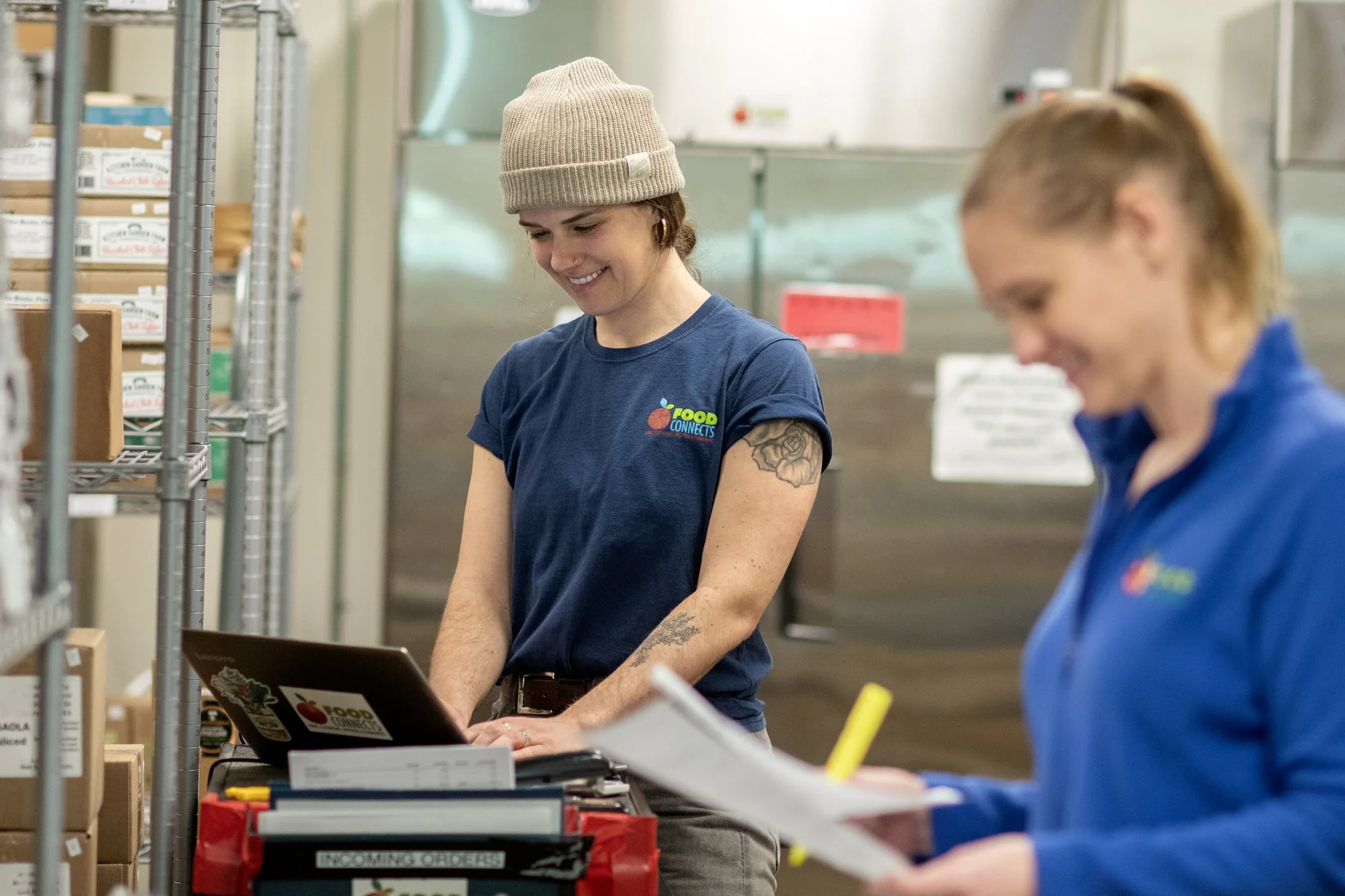
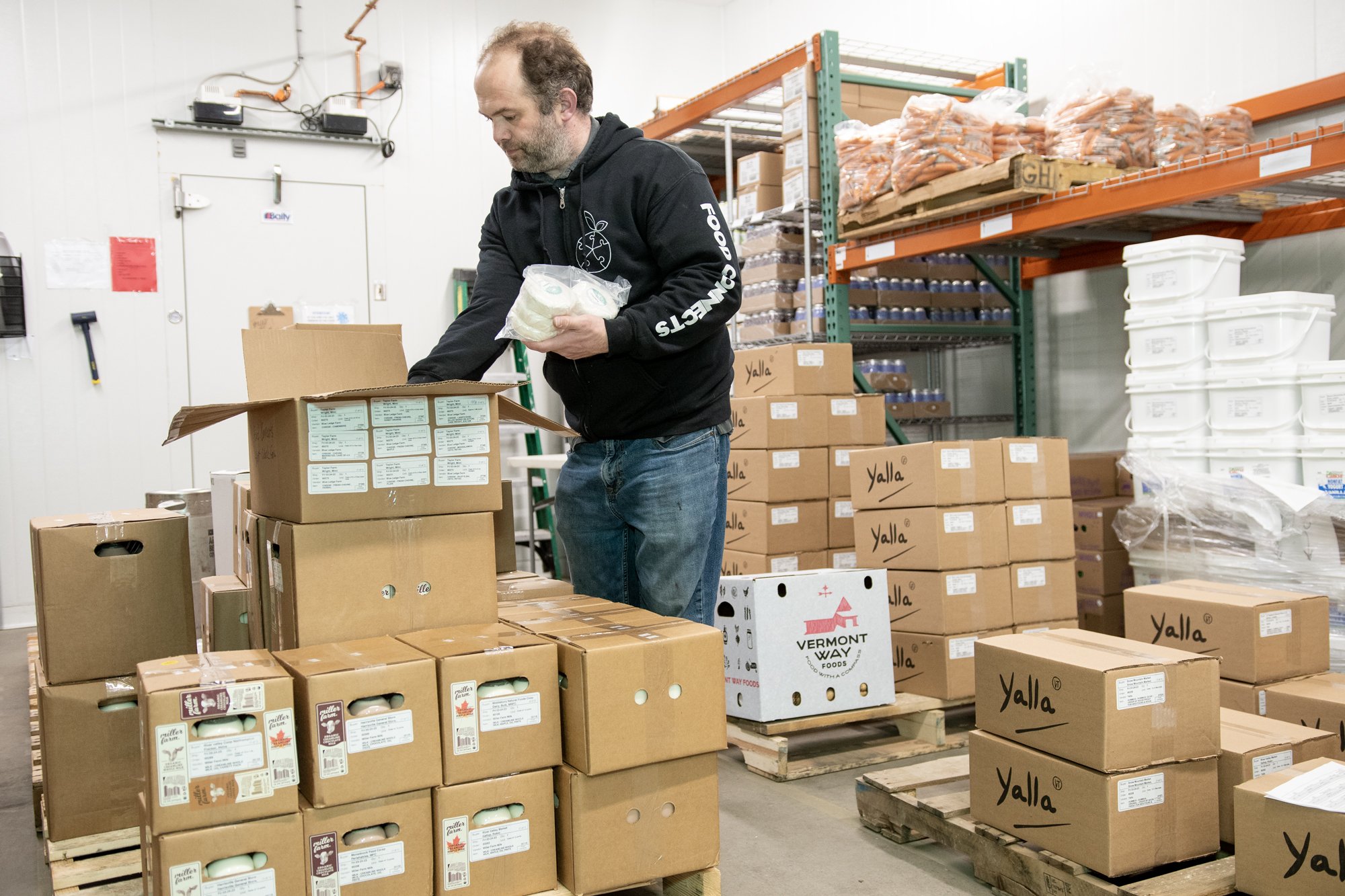
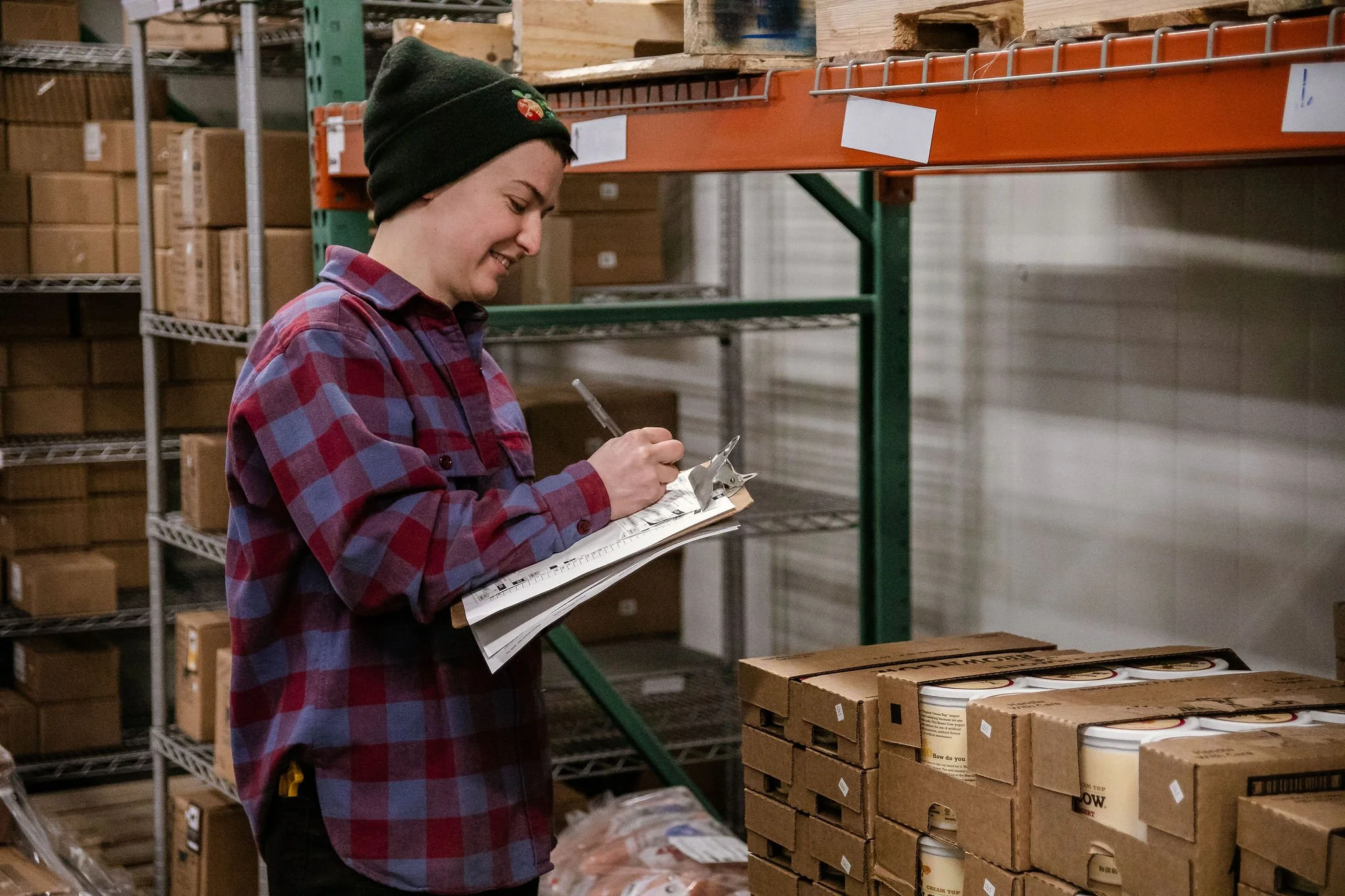
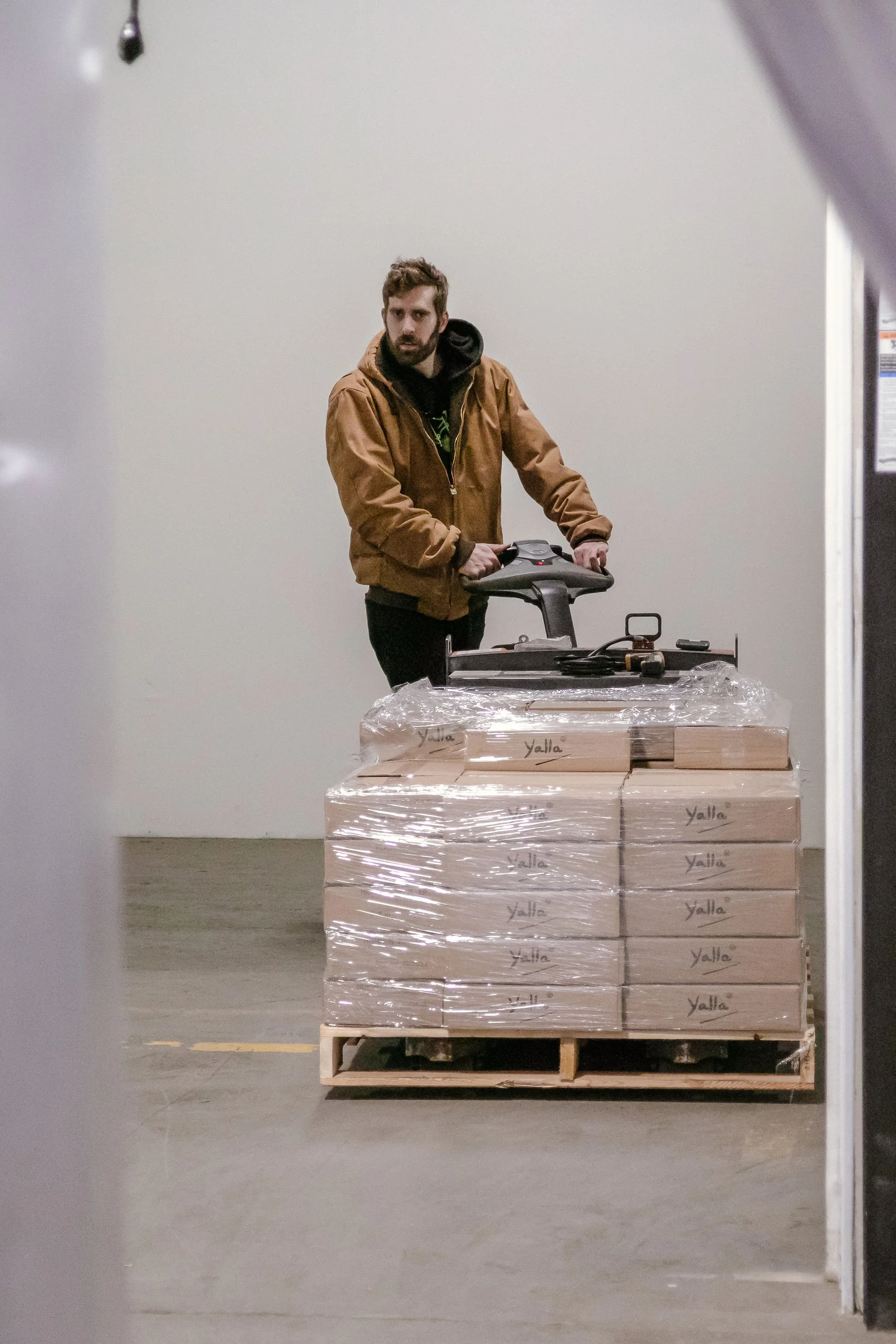
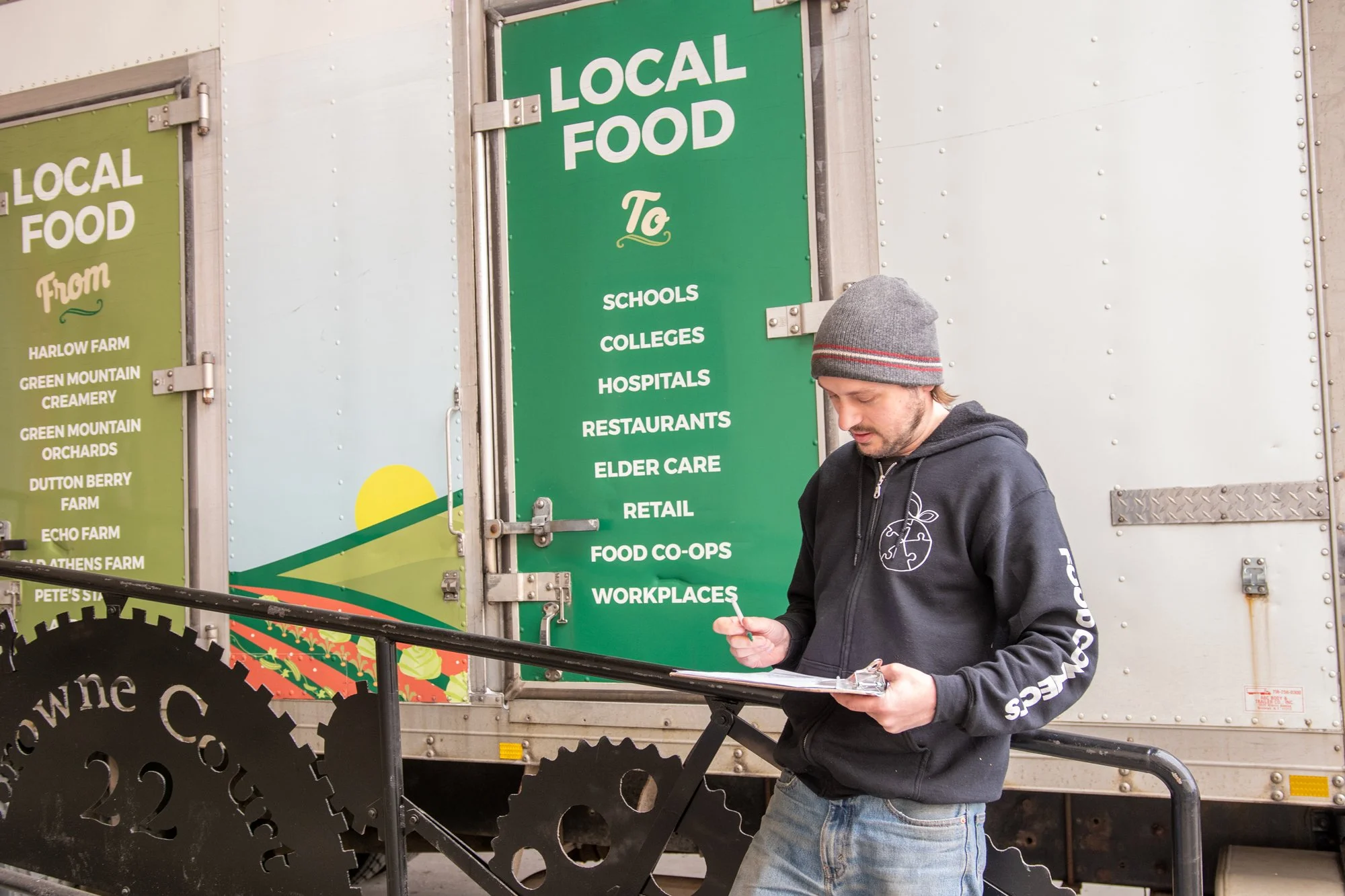
That kind of practical support can make a real difference in the warehouse. One common misconception is that handling Organic product requires fully separate infrastructure. In reality, a lot of the work is about clear procedures, safe handling, documentation, and staff understanding. Food Connects’ technical assistance model is built around making those expectations easier to understand and more manageable in real operating environments.
Food Connects brings credibility to that work because it has done it itself. The organization’s Technical Assistance Program emphasizes firsthand operational experience, and its TOPP work grew directly out of its own certification process and broader compliance experience. That combination of lived practice and peer learning is part of what made the Vermont cohort so effective. NOFA-VT described the cohort as a shared learning model where food hubs saved time, shared standard operating procedures, and moved through the same core steps together.
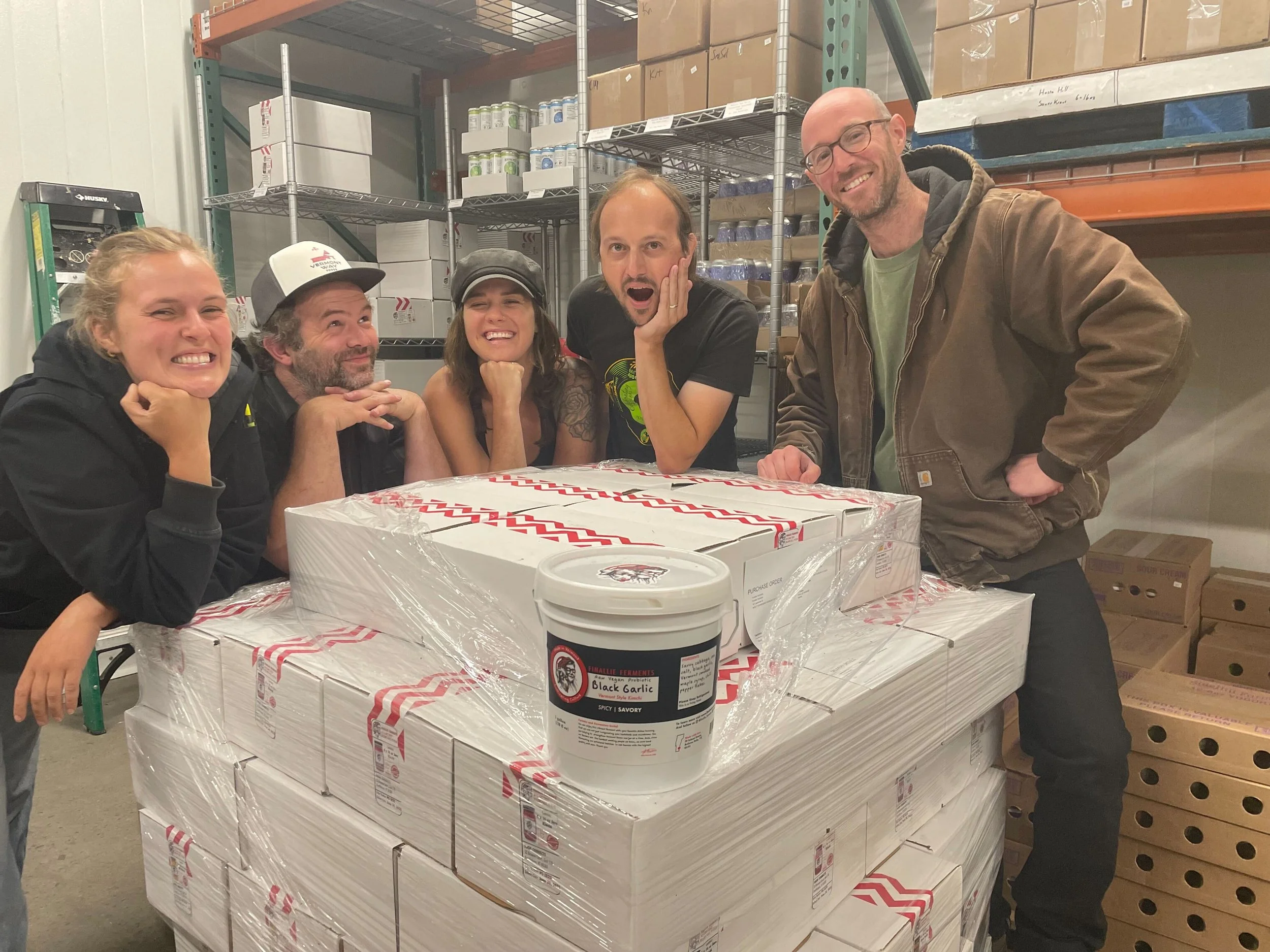
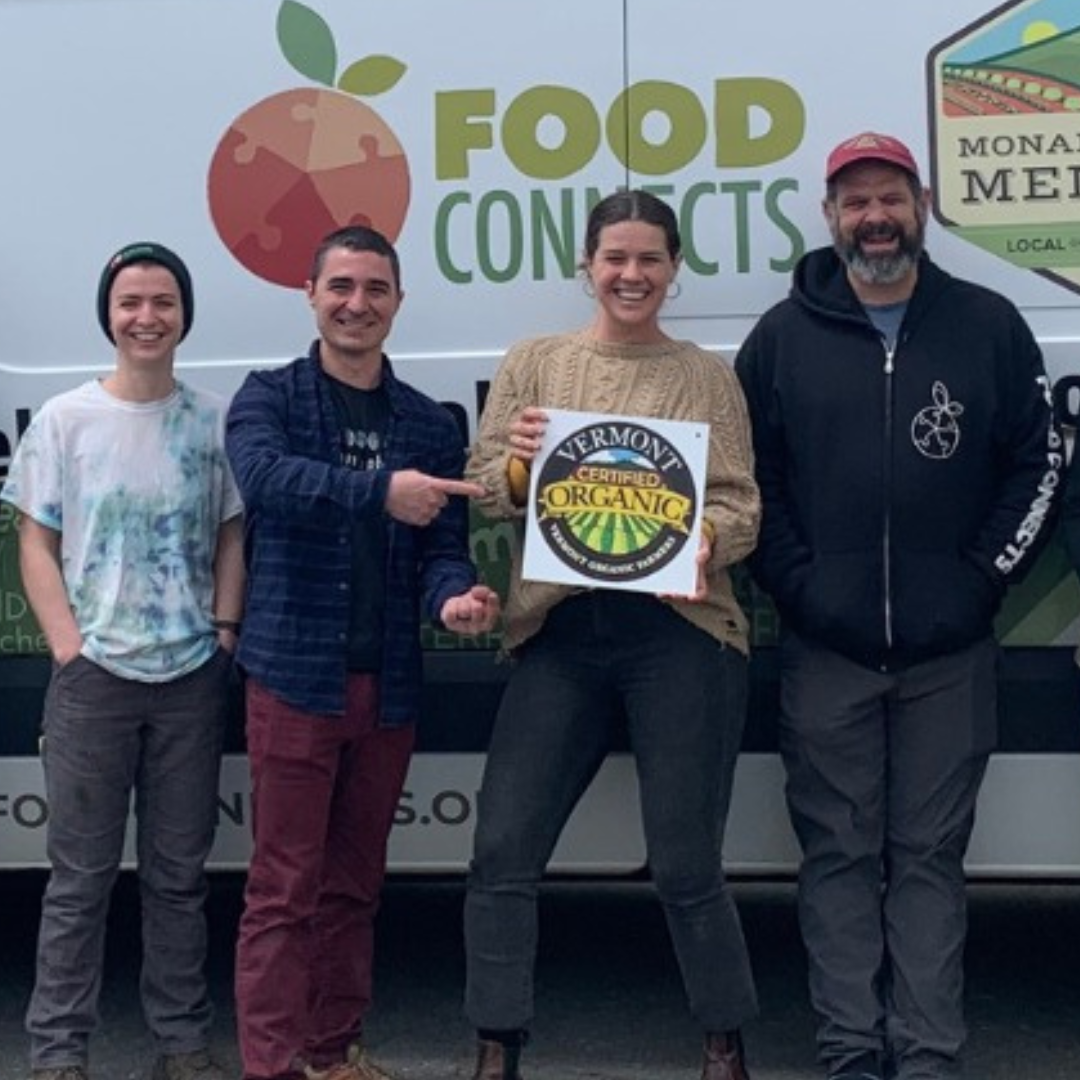
“We want to support our regional and local growers.” - McKenna
At the center of Hayes’ work is the idea that Organic integrity matters across the whole supply chain. Growers invest real time and labor into becoming certified Organic. Keeping that integrity intact through handling and distribution is part of supporting those farms and maintaining trust in the label. That broader purpose is reflected in Food Connects’ TOPP work, which frames compliance not as a box to check, but as part of building stronger, more credible regional food systems.
For food hubs, institutions, and small distributors trying to sort through the new rules, Hayes’ message is simple:
“Reach out and schedule a call with us. We would love to help you understand how and if the new Organic regs apply to you.” - McKenna
To learn more about Food Connects’ Technical Assistance Program or connect with McKenna Hayes about Organic certification and compliance support, contact mckenna@foodconnects.org or visit the Technical Assistance Program page.