Farm to School Annual Report
Taste Tests with Food Connects
Learning from History

Farm to School Annual Report
Taste Tests with Food Connects
Learning from History
Written by Laura Carbonneau, Food Connects Communications and Development Manager

We all have stories that connect us with food. They could be cooking with family members, meals with friends, or perhaps growing your own food. In my work at Food Connects it is my job to tell the stories of local farmers, food producers, our customers dedicated to local food, and schools committed to Farm to School programming.
Telling the stories of these impactful organizations comes easy. The more I write and share, the more reflective I become about my own food story and connections to agriculture. I have been acutely involved in food systems since 2008—before I had even graduated from college. My passions have always included food and agriculture and the influences of it on my life have been profound. It would be easy for me to tell you a beautifully painted picture of my work in food systems, the places I have traveled to so I could study food and food systems, or my personal endeavors in growing and producing my own food. But I have a deeper, more historical connection to agriculture that I would be remiss if I did not share it with you.

Painting of the Mayflower.
My family has “old American blood.” My family lineage, through my maternal grandmother, can be traced back to the Pilgrims from England. I am related to the Alden, Cooke, Soule, Mullins, Warren, and Rogers families who came over on the Mayflower, as well as numerous other individuals who came on the Fortune, Elizabeth and Ann, and subsequent voyages.
So… what does that have to do with food and agriculture now?
A lot.
As an individual who is passionate about food justice, I carry with me immense historical guilt. The first English settlers in New England had enormous ecological, social, and agricultural impacts on the land and indigenous people. Those who settled in the Plymouth Colony and those who followed and spread across New England changed the face of the landscape and how the Wampanoag and other indigenous peoples lived.
It is commonly known that the Pilgrims who came over on the Mayflower were ill-equipped for settling in a new land. Based on the inaccuracies of maps at the time, they believed that where the ship would land was a much warmer climate than their homes in England. They landed just before the cold of a New England winter hit and many did not survive the first winter. To survive, many Pilgrims raided Wampanoag food stores and graves, which also stored food. This act of survival was an early example of a supremacist, colonist mentality—there was no thought of respect for the traditions of the Wampanoags, only the focus on self-preservation.

Drawing of the Pilgrims with Tisquantum.
That first spring the Pilgrims relied on the knowledge Tisquantum (more commonly known as Squanto) to teach them how to better use the natural resources at their disposal. Tisquantum aided them in trade between the various leaders of the Wampanoag Confederation. The first ship of European settlers worked with Tisquantum and others but as more and more ships arrived it was easier to ignore the treaties made with different tribes. And as the settlers brought over more guns and disease, they found themselves increasingly in a position of power—both causing the deaths of so many indigenous people.
A striking difference between the two cultures was their way of obtaining food. The Wampanoag tribes knew how to work in harmony with the seasons and had an intimate knowledge of the habits and ecology of the different species of the region. They were flexible, nimble, and mobile in their relationships with food and nature. The European settlers did not understand or respect these traditions and practices. They brought something over that was just as destructive to the land as the disease was to the Wampanoag—agriculture and animal husbandry. This is starkly different than the hunter-gather society that existed. Royal charters from England drew boundaries that had no thought for the claims of the existing inhabitants and focused on the “improvement” of the land. The land was turned over, forests were destroyed, foreign foods and pests were introduced, and overhunting and overfishing occurred.
My family, who came over on the Mayflower, may have had the best intentions—they were looking for a home for their families away from religious persecution. But in doing so they created a chain reaction that changed the face of the landscape. The “us versus them” mentality inherent in their interactions with the Wampanoag people created a deep-seated feeling of superiority that paved the way for ideas like Manifest Destiny and that taking advantage of people who are “lesser” was not only okay but encouraged.

Drawing of Eli Whitney.
Fast forward about 170 years to meet my distant relative, Eli Whitney. He and I share a common ancestor, John Whitney Sr., who is my 10th great-grandfather and Eli’s 4th great-grandfather. Eli Whitney was an inventor and in his travels to the South, he worked with a benefactor, Phineas Miller, to create the cotton gin. Miller had come to Whitney, on behalf of his colleagues, to find a solution to improve the process of separating the cotton lint from the seeds. Because of the long processing time, growing cotton was unprofitable in America and there was still a reliance on the import of cotton.
The cotton gin dramatically changed the agricultural economy of the South. Human processing of cotton could produce about one pound of cotton per day, but with the use of the cotton gin, that number increased 50 fold. Between the high demand for cotton, in English and New England textile industries, and the new ease with which cotton could be processed, growing cotton became much more appealing. The economy in the South grew, but not everyone benefited. The labor force of the South, African slaves, suffered the deepest wounds with the advent of this new technology. Slavery had started to become “unprofitable” and the cotton gin revived a dying market. The cotton gin replaced the labor necessary to process cotton, but not to grow and harvest it—slavery and cotton would be intertwined until slavery’s abolition, whether that was the intent of the gin or not.
Now, roughly 225 years later, here I am. And how do I resolve this historical guilt that lives inside me? As part of their survival and means of living, my ancestors changed the face of agriculture in America at the expense of Wampanoag and African people. My conflict comes from wanting to be immersed and proud of my family’s history because without them myself and many others would not be here, while at the same time I know that the pain they caused is still being felt by the descendants of those who were taken advantage of. And perhaps that is why I am pulled towards food justice and improving our food system for all. Writing about these stories has been painful and joyful at the same time and has ignited a passion in me to learn more about my family’s story with agriculture that goes beyond our beginnings in America. My hope is that my descendants can look back at my food history and be proud.

Dietetic Intern. New Hampshire resident. Pennsylvania native. Penn State alumna. Future dietitian. Food lover. Travel enthusiast. Experimenter in the kitchen. Appreciator of fresh, local, flavorful food. Avid reader.
I’m Carissa, and these are a few things about me. For the past year, I’ve been living in New Hampshire, completing my dietetic internship in order to become a registered dietitian. Keene State College’s dietetic internship is community-focused and very individualized, allowing me the opportunity to create my own projects with Food Connects this summer. With inspiration from some amazing resources like VT Harvest of the Month, I developed a series of sensory activities and taste tests to conduct during service of summer meals at Retreat Farm on some Fridays.

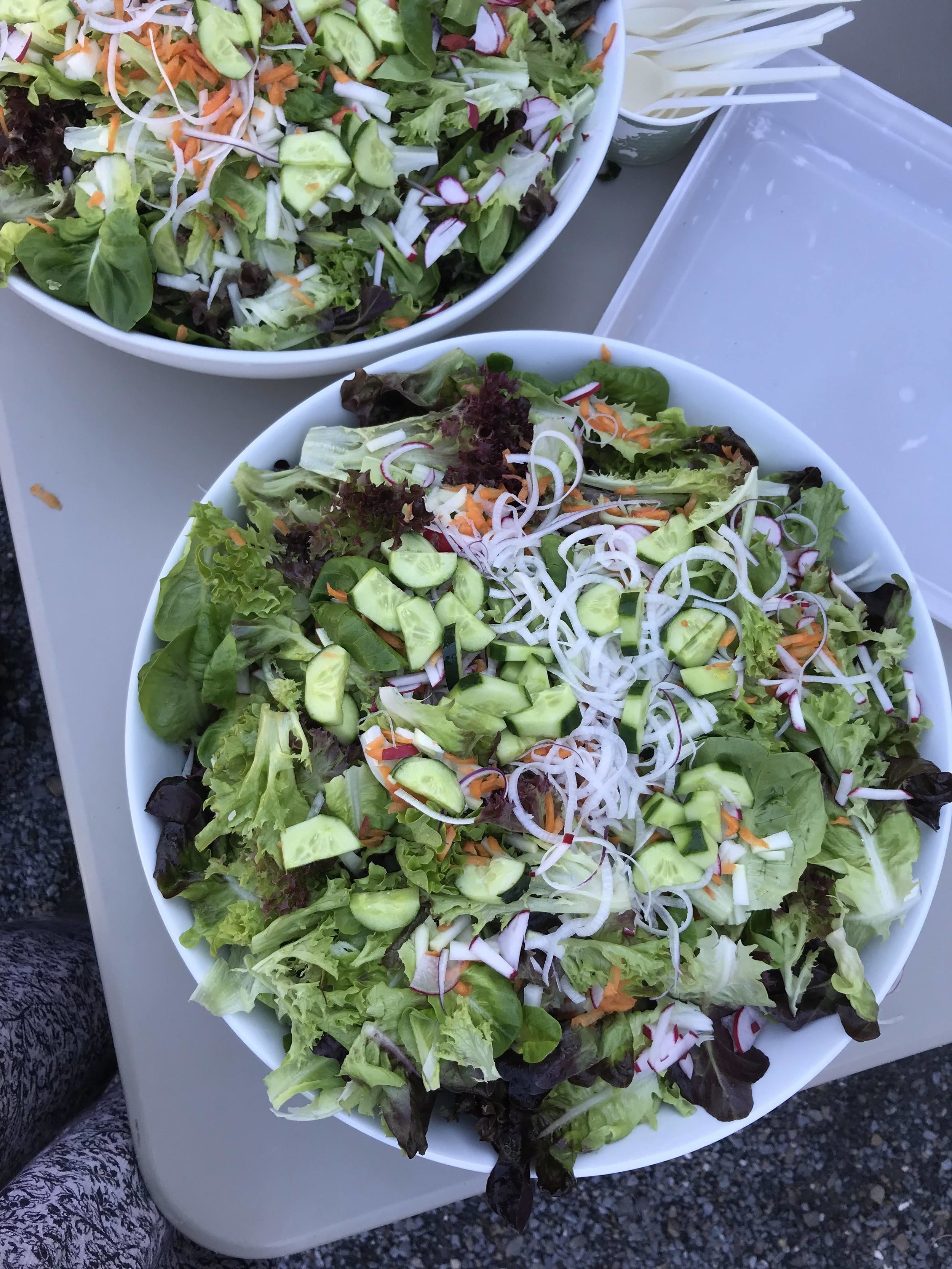
These activities highlight fresh, in-season produce and herbs grown at Retreat Farm, with the goal of increasing kids’ exposure to, interest in, and preference for fresh fruits and vegetables. Taste tests give kids the opportunity to try a new food without the commitment of eating a full meal. Sensory activities give kids the chance to interact with new foods using all of their senses other than taste, such as touch, sight, and smell. It can take a while for a child to become comfortable with a new food and eventually enjoy eating it, so it is my hope that these activities help kids grow an appreciation for fresh fruits and vegetables! To experience it for yourself, bring your kiddos to Retreat Farm for a free lunch at 12 pm on Friday August 9 and 16.
Growing up in Lancaster County, PA, there was never a shortage of fresh produce during the summer. When I went to college and started learning about the many social injustices in our society and the many issues in our current food system, my passion for providing equitable access to healthy food and nutrition education emerged. I originally started studying nutrition out of personal interest in and love for food, but now my eyes were opened to the role I could play in building a healthier, more sustainable, and more equitable food system as a dietitian. I don’t know what my career will look like or the exact jobs I’ll have, but my year in this internship has shown me that this work can be done many different ways. I am grateful for the opportunity to work with Food Connects, learn from its work in food distribution, access and education, and support its mission. I can’t wait to see how it and organizations with similar goals and values around the world change our food system for the better.

Food Connects Welcomes our Farm to School Intern
2019 NE FTS Institute
Voices of the Food Chain
What’s Cooking in Massachusetts

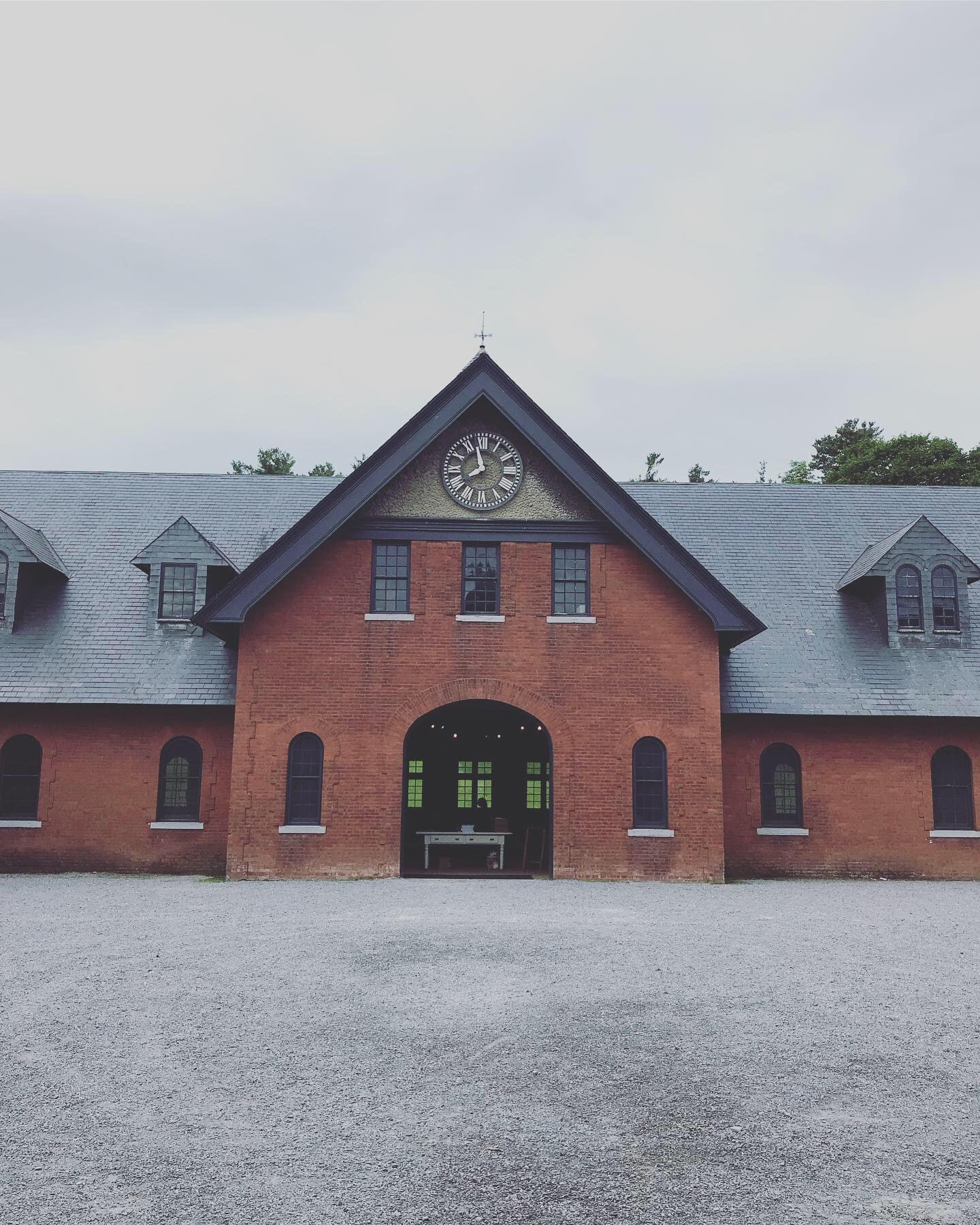
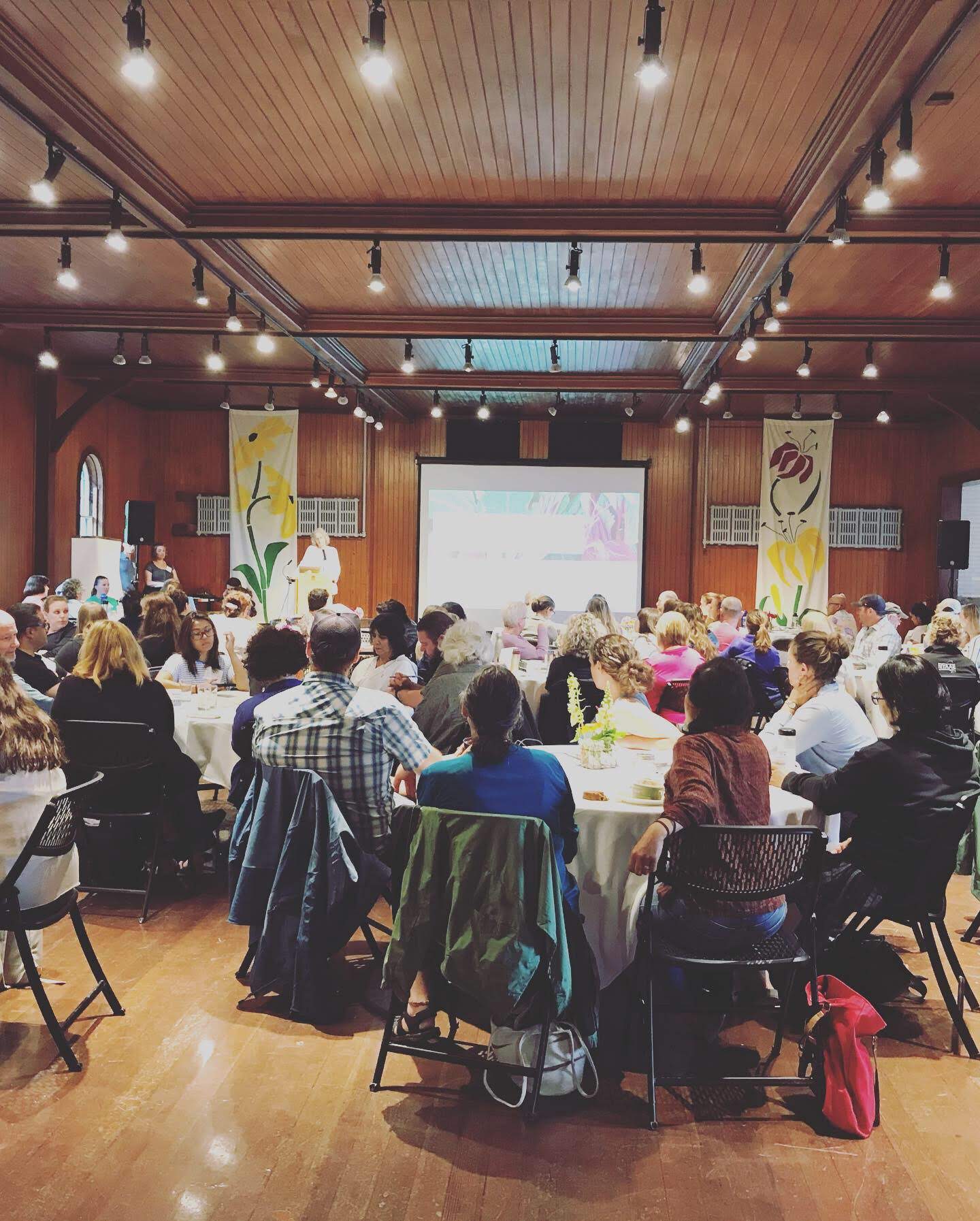
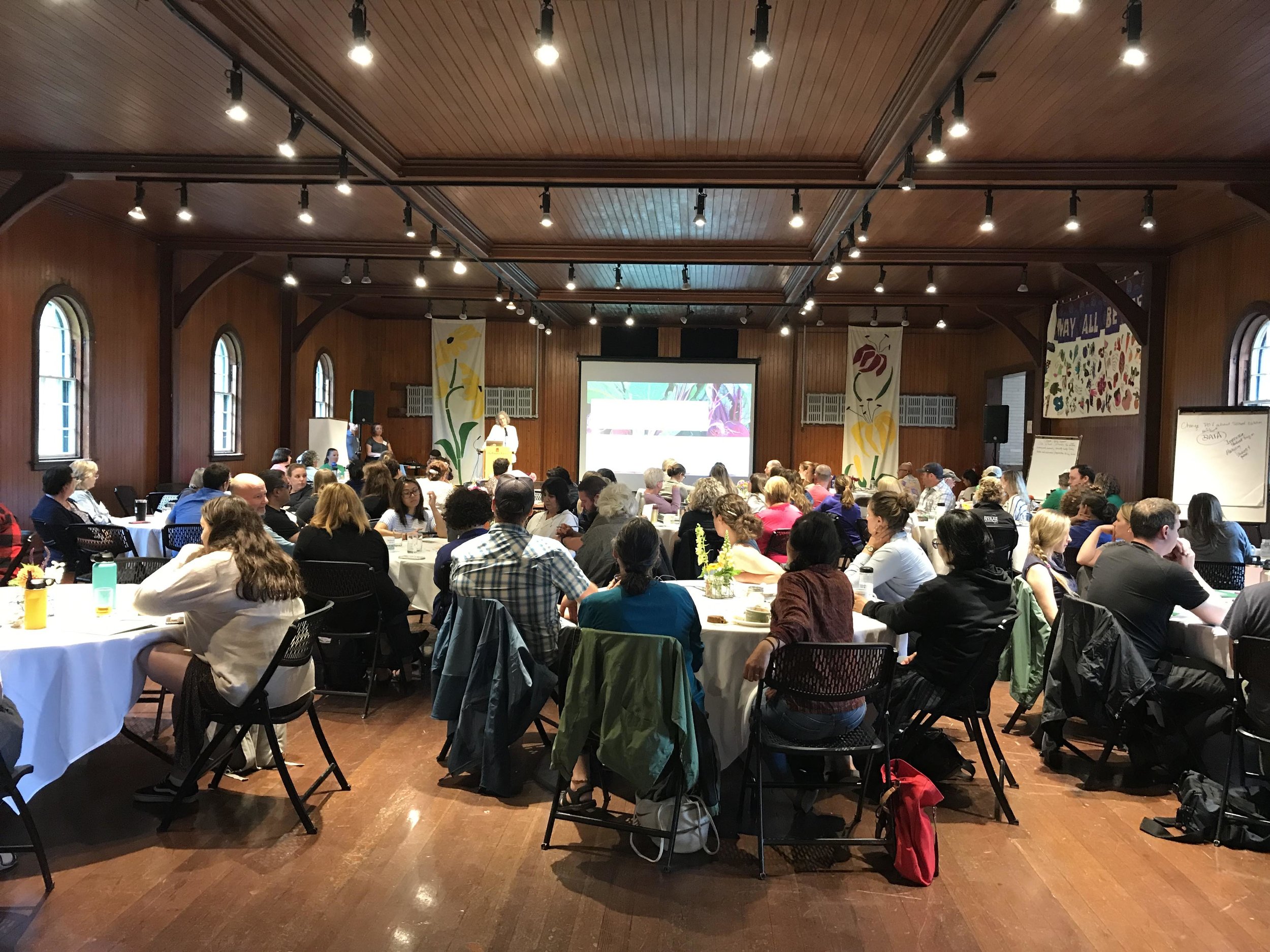
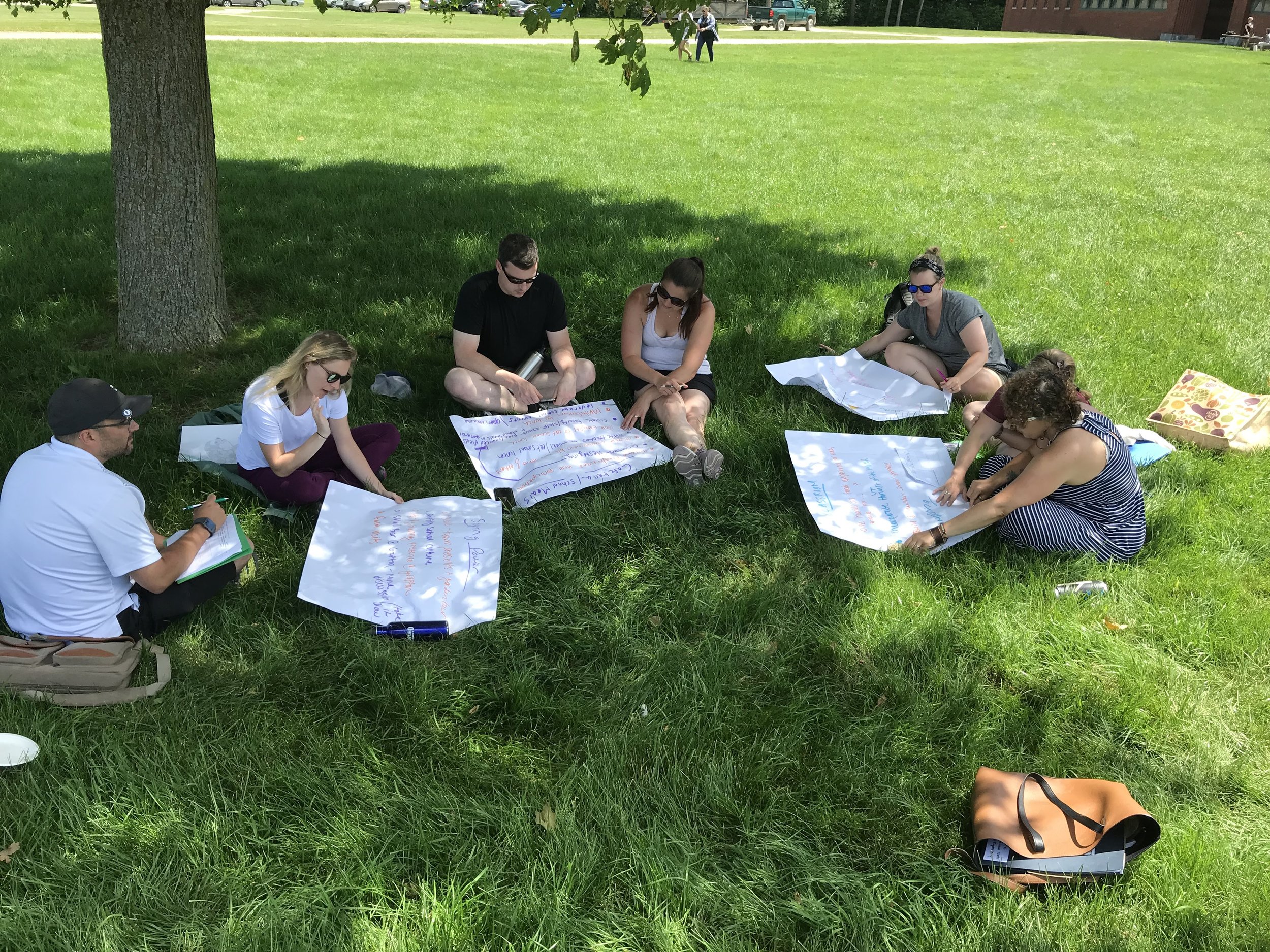
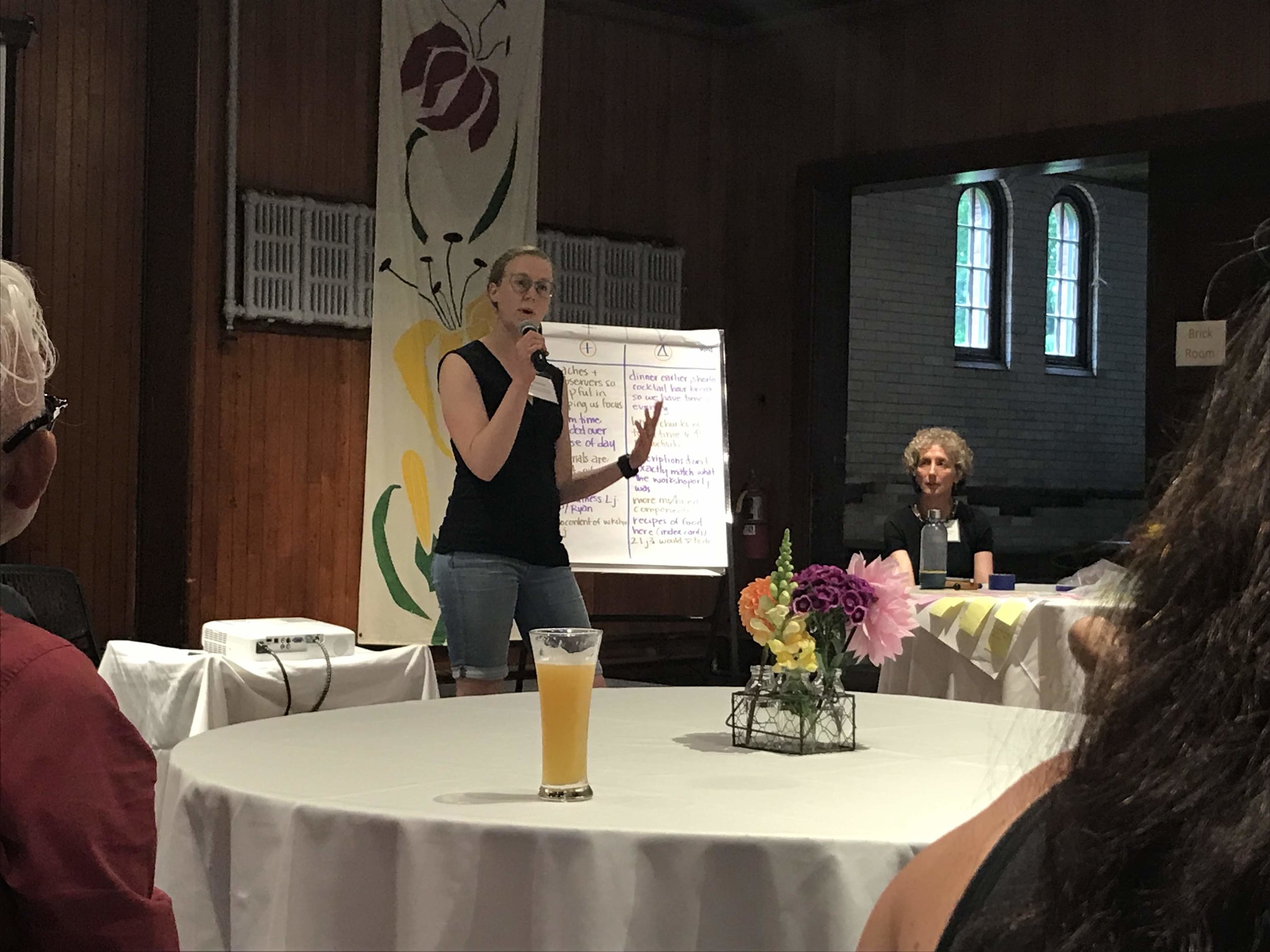
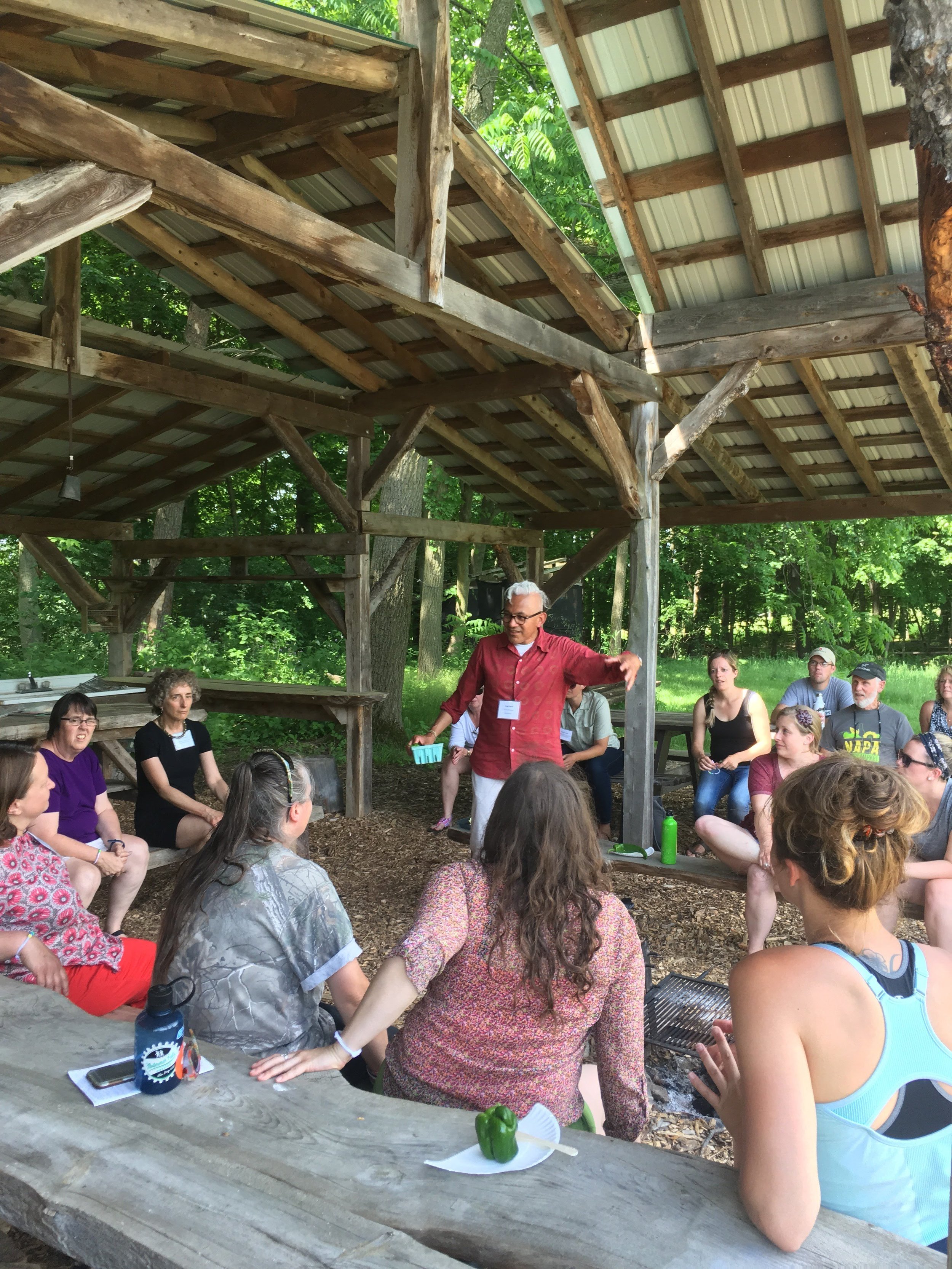
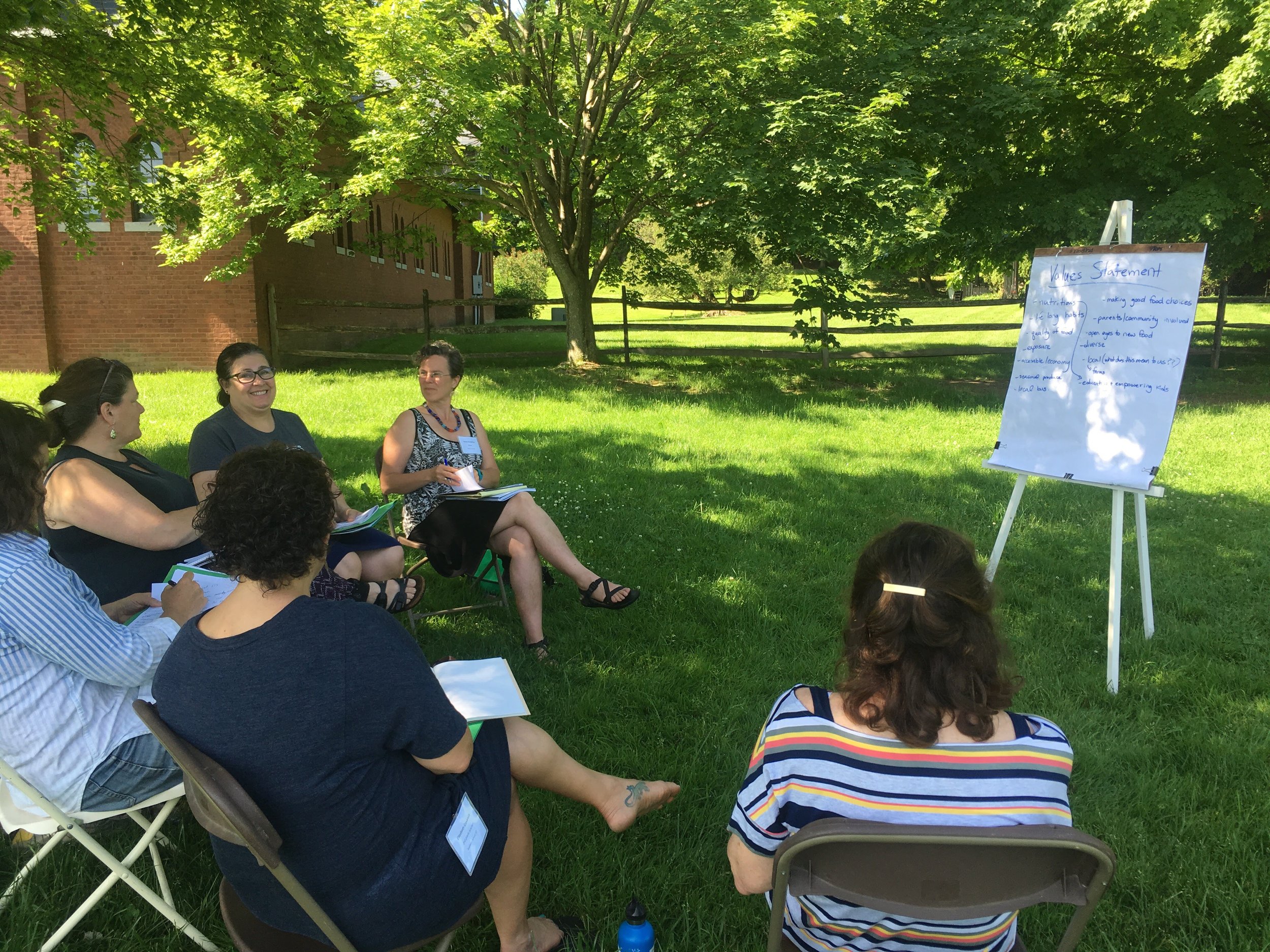
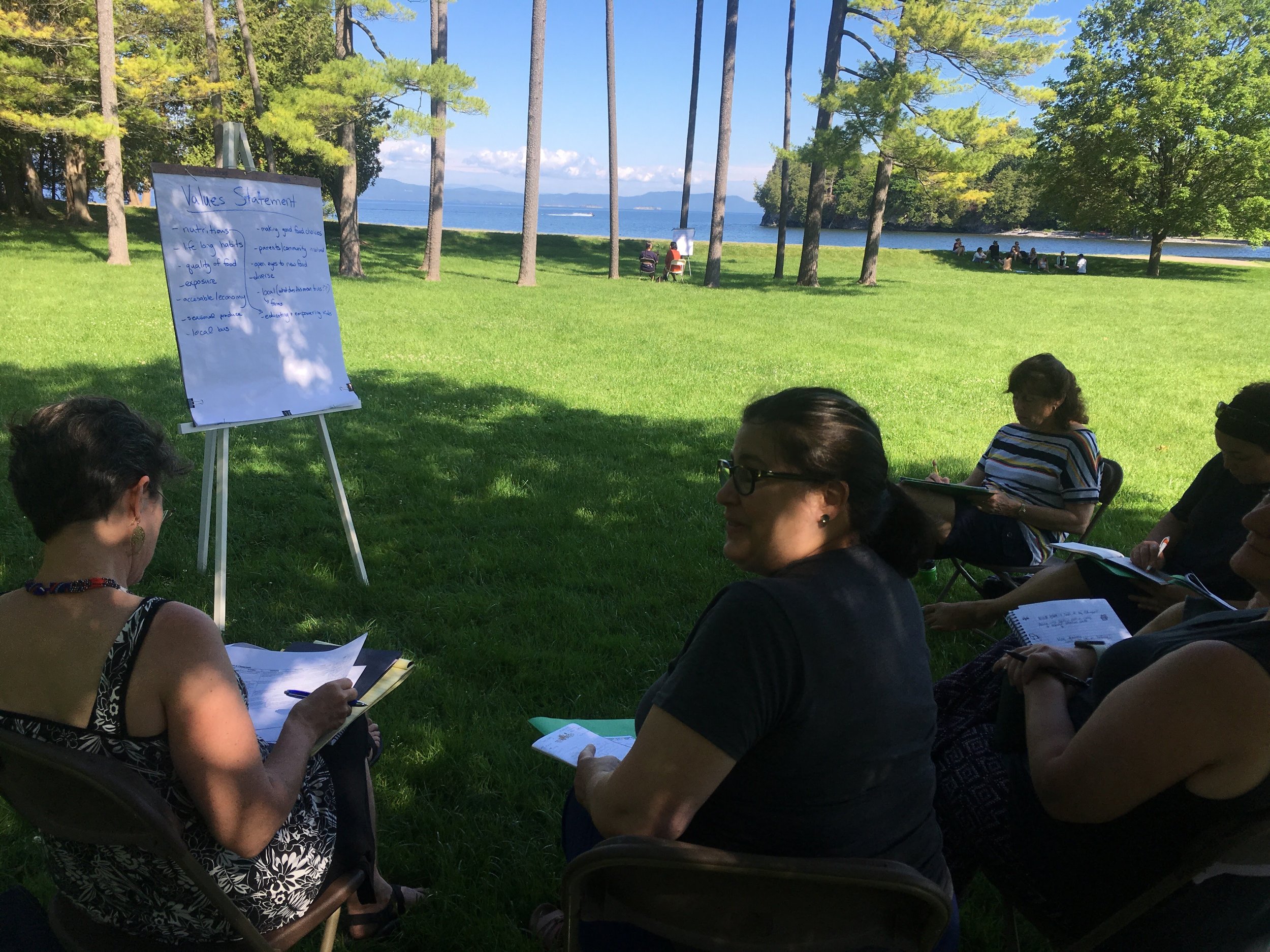
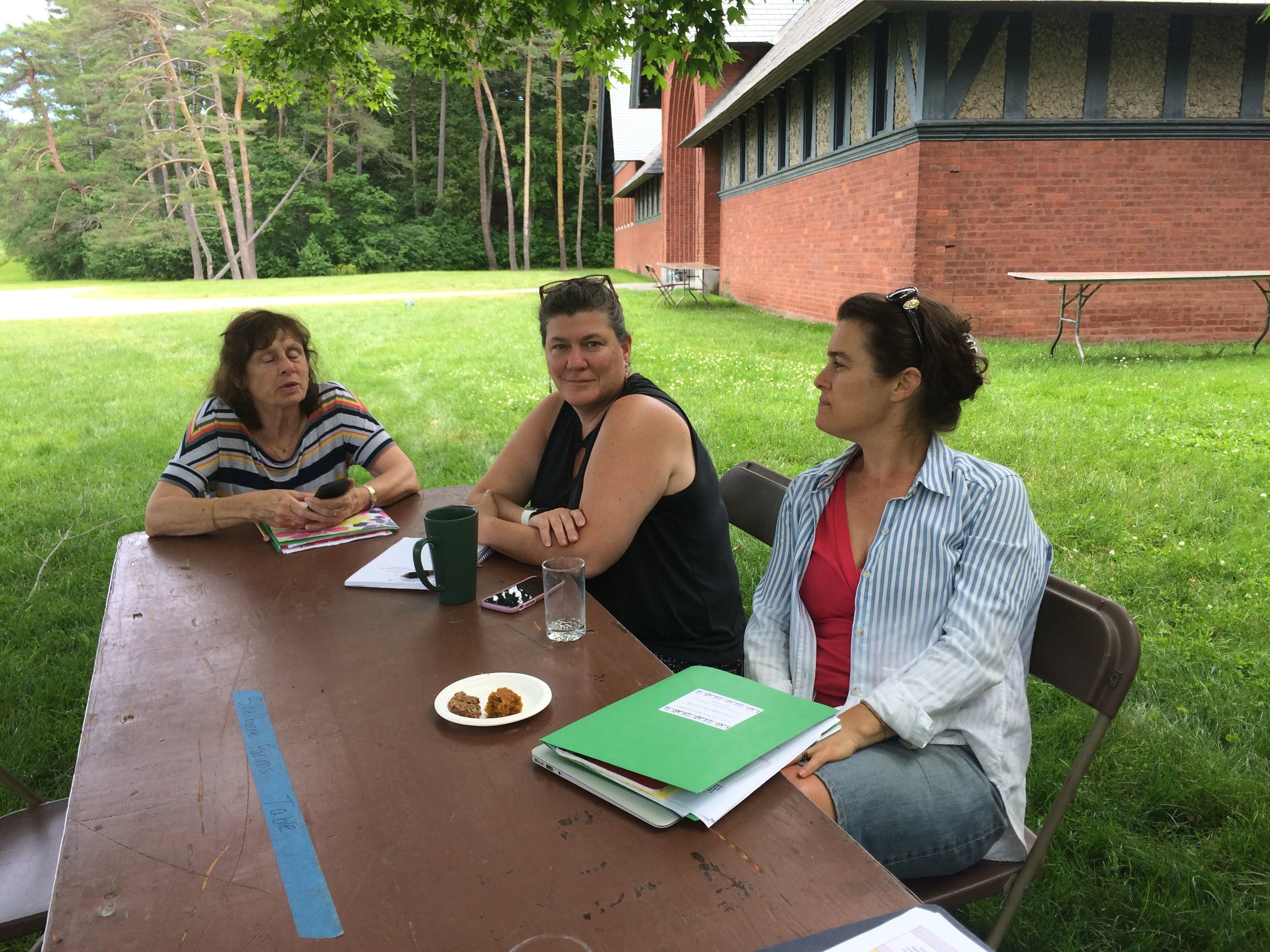
During the last week of June, our Farm to School team had the privilege of coaching two amazing teams of educators, school nutrition professionals, and administrators from Windham County at the Northeast Farm to School Summer Institute at Shelburne Farms. We spent three days on the shores of Lake Champlain, immersed in learning about what makes a Farm to School program vibrant and robust, and working with our teams on their action plans for the coming year.
The team from Academy School in Brattleboro is a newly formed committee, and they have several goals, including:
Research what thriving Farm to School programs in nearby communities look like
Establish a vibrant Farm to School committee with broad grade level representation and strong support from school administration
Recruit at least one family member to join the committee
Increase breakfast participation by making changes to the breakfast structure

The team from Windham Northeast includes representatives from Grafton and Westminster Elementary schools who are passionate about connecting their classrooms with the incredible local food that’s now being served in cafeterias across the Supervisory Union. Their vision is to “create food experiences that nourish, inspire and educate” and some of their goals are:
To implement a VT Harvest of the Month Taste Test Program
To host a student-led Thanksgiving feast featuring local and garden produce at each school
To create and maintain school gardens, including compost collection
To begin shifting the culture around school food by educating faculty and staff about school meal and farm to school programming
To promote farm to school within their community

This June, our Farm to School team had the pleasure of working alongside Rachel Harb, of Massachusetts Farm to School, at the Northeast Farm to School Institue in Northern Vermont. Mass Farm to School, a statewide network comprised of educators, food service professionals, farmers, fisherman, and other advocates, seeks to "strengthen local farms and fisheries and promote healthy communities by increasing local food purchasing and education at schools." Like Food Connects, Massachusetts Farm to School staff offer training, technical assistance, and consulting to Farm to School champions around the state, in an effort to support local food initiatives in classrooms, cafeterias, and communities.
Know someone who lives just over the border? Encourage them to reach out and get involved in the Massachusetts Farm to School movement to support the continued growth of a resilient Northeast economy and landscape.

Our Farm to School Team: Sheila & Kate
FRUITS OF OUR LABOR
With the school year wrapped up and summer in full swing, Food Connect’s (FC) Farm to School team is switching gears! Before jumping into summer programming, we reflected on what we accomplished during the school year. We continue to be inspired by the progress our member schools are making in their Farm to School efforts. In fact, this school year:
7 new schools created Farm to School action plans
75% of FC member schools report significant progress was made on their action plan
77 educators participated in Farm to School professional development
6 schools received new funding for farm to school programming
89% of FC member schools were able to better integrate the “3 C’s of Farm to School” (classroom, cafeteria, community)
Farm to School programs are positively impacting the local economy by helping to reduce childhood hunger.
This year, local food purchasing by FC member schools increased by 43%! We know that for every dollar spent on local, 60 cents goes back to the local economy.
Nearly half of FC member schools saw an increase in breakfast and lunch participation by free and reduced students this year. Some of this can be attributed to new programming such as Breakfast After the Bell and Universal Meals.
Over 100 community organization and school staff received professional development to improve Farm to School programming.
NOURISHING OUR COMMUNITY
We are eager to stay connected to students and families throughout the summer when local farms are bursting with fresh produce. This summer, we will run two programs, including our Summer Garden Program and a new Local Food Taste Testing Program in collaboration with Retreat Farm.
The Summer Garden Program includes garden support for 5 local schools, ensuring that the gardens are healthy and ready to harvest come September. Tara Gordon, Green Street School Garden Coordinator, will lead summer programming at all 5 schools this year.
Local Food Taste Testing, led by Keene State College Dietetic Intern Carissa Brewton, will take place on Fridays throughout the summer at Retreat Farm, in conjunction with Summer Meals—free meals provided to students under the age of 18. Swing by the farm to sample fun foods and participate in Farm to School activities with your little ones.
PLANTING NEW SEEDS
Our Farm to School team is looking forward to piloting some new and innovative projects this fall. Sheila Humphreys, Food Connect’s Farm to School Coordinator, will be exploring connections between the Farm to School and Trauma Informed approaches to education this fall with WSESU educators and other school-based staff. She will partner with VT Trauma Informed expert, Joelle Van Lent, to host a day-long training for school counselors, nurses, behavior specialists, and food service professionals. This project is funded by the Thomas Thompson Trust and will span three years. Year two of the project will focus on creating cafeteria settings that are comfortable, peaceful, and conducive to making good food choices and year three will include work around youth engagement in farm to school programming.
This summer, Food Connects is preparing for its 5th Annual Farm to School Conference. With lots of new staff coming on board over the past two years, we took a break from organizing this event. But, this year WE ARE BACK! The conference will take place in April and will include an array of wonderful workshops on topics such as curriculum integration, marketing, cooking with kids, parent engagement, and more! Stay tuned for details.
Much of this summer will be dedicated to planning for the next school year. We have lots of great information to digest from our spring stakeholder survey and plenty of qualitative feedback to keep us energized and inspired. One of our favorite quotes was, “Food Connects is awesome. You guys are all over the map with the ways you support our district’s Farm to School efforts, and as we have said before, the most important thing you give us is a sense of friendship and community - a bunch of absolutely great people all working on a little piece of this food system revolution”. Viva la revolution!

Summer Gardens
Summer Meals
On Farm Learning
Share Coolers

Food Connects extends a warm welcome to Tara Gordon—our new summer garden program coordinator for five area schools this summer (Academy School, Green Street School, Oak Grove School, Guilford Central School, and Vernon Elementary School). Tara is a mother of two, has a multidisciplinary background in the biological sciences, was the Garden Coordinator for Putney Central School for three years, and is now the Green Street School Garden Coordinator. Tara finds gardening to be a wonderful way to instill a sense of purpose, a practical way to grow awareness of our place in nature, a way to cultivate our curiosity and creativity as caregivers, and a way to develop a closer interrelationship with the natural world. She is looking forward to working in the gardens with students and families over the summer.
Summer garden care is a crucial part of a healthy school garden program. Without someone tending gardens over the summer, gardens get overgrown and underwatered, making the fall harvests smaller and the overall gardening experience less pleasant for students and teachers. This is the third year that Food Connects has offered this valuable service to schools. Some schools have been able to find funds within their existing budgets to “buy-in” to this program, however not all schools have been able to find funds even though they have the need. We are grateful to Rise VT for a grant this season which allows us to expand our program and serve the communities of Guilford and Vernon.