Junior Iron Chef Debuts at Bellows Falls Union High School

By Farm to School Coach Jenny Kessler

One of the best meals I’ve had since moving to Vermont two years ago was served to me late on a Monday afternoon by a 16-year-old in an industrial kitchen at a local high school. Why, oh why have I never eaten mushroom katsu before? I posed this question to my partner, a professional chef, as soon as I got home. (He also agreed this dish, sweet potato curry with mushroom katsu, served over coconut rice, was one of the best he’d had in Vermont). 

I attended a weekly meeting of the Bellows Falls Union High School (BFUHS) Jr Iron Chef Team, where they were practicing for their competition debut on March 12 (UPDATE: the event was delayed due to weather).  

Jr Iron Chef began in Vermont in 2008 and has grown into a hugely popular event, with over 5,000 students participating in the past few years. Jake Gallogly, the Nutrition Assistant at BFUHS, is a Jr Iron Chef veteran, having coached a Twin Valley Team to a Crowd Pleaser Award in 2016. He thought starting a team at the high school level would be an excellent opportunity for the students in the Foods Class to expand their knowledge and experience. 

Senior Kevin Patterson and junior Joey Jacques have met eight times since Jake started the team.  Both students had significant experience cooking with their families at home, and both also mentioned the techniques they had learned under Jakes's guidance. Joey shared, “I 100% learned new techniques and vocabulary here. Julienne, mince, mise en place. Learning how to do things correctly is a big thing here.” 

Watching them in the kitchen, you can easily see the professional training in action. Kevin meticulously cleans every surface on which he works. He’s also precise and measured in all his cuts and preparation. Moving through the kitchen, it’s become second nature to give the “behind,” “coming through,” and “in-between” vocal markers so the young chefs avoid any unnecessary bumps and spills. And both Joey and Kevin have also seemed to embrace the idea that chefs don’t rely on perfect measurements. Kevin added “a splash” of sesame oil to the marinade; they seasoned everything “to taste” (and without any measuring spoons). As the dish was nearing completion, Jake reminded them, “Think about salt. Think about flavor. See what it needs.”

Jr Iron Chef VT has some stringent rules around recipe development. Dishes must be vegetarian, nut-free, and feature 3 to 5 ingredients from Vermont. They developed the recipe together and with some trial and error. Both Kevin and Joey admit that while the dish is new to them, they find it quite delicious. And it gets better every time they make it!

Stay tuned next month for an update on how the team fared in the (still to be rescheduled) competition.

Scott’s Clean Sweep Sponsors Farm to School in the Deerfield Valley

Food Connects is fortunate to have corporate sponsors throughout the region. And one area we are looking to expand our Farm to School (FTS) work in the future, the Deerfield Valley of Vermont, has a Farm to School champion right in their backyard.

Scott’s Clean Sweep is a full-service Vermont Chimney Sweep company based in West Dover, VT. Servicing the Deerfield Valley since 1997, owner Sarah Shippee has gotten to know her community deeply. Her steadfast commitment to improving life in the Deerfield Valley is apparent, and we are excited to step into a new chapter of philanthropy with her. 

Sarah shared with us a few thoughts on the importance of Farm to School and giving back to her community.

Why is giving back to your community important to you?

Sarah Shippee (SS): As local business owners, my husband, Roscoe, and I believe strongly that we have a responsibility to give back to the community, without whom our business would not exist. It makes us very grateful to have the opportunity to say “thank you.”

What first interested you in the FTS movement?

SS: My interest was sparked by the opportunity to support Jr. Iron Chef in the Deerfield Valley. I know firsthand what an impact that program has had on our middle- and high-school students—my son participated for several years. I saw it broaden his 'food horizons' and those of many of his classmates, as well as teach teamwork and planning.

Photo from 2020 Twin Valley Jr. Iron Chef.

Why did you decide to support the FTS program at Food Connects?

SS: Food Connects is important, I think, because our children need to have the chance to learn about food and explore things they might not see at home. We are moving away from the time when everyone had a garden out back, and children could see where their food came from. Food Connects helps re-establish that relationship, and I believe that that is a big part of making good choices about what we put in our bodies.

I hope to be able to support Food Connects with this and other programs in the years to come.

Who Feeds Our Kids: Lindsey Mills

Welcome to Food Connects’ series highlighting the amazing essential workers in our community who work hard every day to keep our children fed. Read on to learn more!

Lindsey Mills

I’m really happy that they (students) have a super safe place to be and go like Guilford. Life can be scary and unpredictable, but I think this is a really safe, supportive place for them to be.
— Lindsey Miller

We are so pleased to introduce Lindsey Mills! Lindsey started as the Site Lead/Head Cook at Guilford Central School about three months ago and is already showing massive dedication to making sure that Guilford students really enjoy the food they are eating. She has 13 years of experience in food service, but this is her first job in a school kitchen. We were lucky enough to be able to chat with Lindsey at the end of her work week to get to know her a little better, and here are some highlights.

Sadie Hunter (SH): How long have you been working in school nutrition?

Lindsey Miller (LM) : I’m actually brand new this year! I worked in food service for 13 years before this. It’s been really rewarding—more so than my other jobs. I love hearing kids come over and say they loved something new that they maybe had not tried yet. It’s a bit of a tougher crowd (than the restaurants), though.

 SH: What was your biggest challenge when responding to COVID-19?

LM: I guess I’m just really lucky because I’m by myself back here and I’m not really exposed to anyone else as much anymore in the kitchen. At my last job, being in a public setting was terrifying, but now I feel a lot safer working at a school. Everyone is super precautious, and I’m super grateful for that. I wish I had worked at the school before COVID so I could see how they served everything then - now everything is individually wrapped, etc. When I was in school you would go up to the lunch person and get it from the line, and it's a lot more complicated now. 

SH: Do you have children at home? If so, how did you manage child care or balance remote school with your work?

LM: No kids, but a new nephew who is less than a year and is the light of my life! I moved up (to Vermont) to be closer to my sister and nephew. It’s crazy how much things change when your sister and brother-in-law have a kid—my life really shifted because of this little boy. 

SH: What do you think is one of the most important aspects of having children back in the schools this year? 

LM: I’m really happy that they (students) have a super safe place to be and go like Guilford. Life can be scary and unpredictable, but I think this is a really safe, supportive place for them to be. Even if kids aren’t coming from the best homes, they are safe here, cared about, and loved. 

SH: What advice would you give to someone who is interested in this career?

LM: Have an open mind and be ready to be on top of food safety! Be adaptable and always make your food with love. 

SH: What has your team done well that’s led to the success of the program?

LM: I’m by myself in the kitchen, and I often feel like I’m a one-person team here, but if I need help, my supervisor, Ali West, is as accommodating as possible. When the equipment isn’t working, we always find a way to get the food made. Everyone has been super helpful; no one has ever said no to helping when I ask—both people at Guilford and people at Fresh Picks Cafe. Everyone is willing to jump in and help if I need it. 

Update: Deb Johnson, who's been with Fresh Picks for three years, has been stepping in three hours a day before going to her own school (Green Street) in order to help out in the Guilford kitchen.

SH: What is your favorite memory working in school nutrition?

LM: I’ve only worked here for three months, but it’s got to be all the positive feedback I get from the kids. There is a girl who is gluten-free, and one day she didn’t like her breakfast, so the next day, I worked extra hard to redeem myself. She loved it and came dancing into the kitchen to tell me! 

SH: How can the community support you and other school nutrition professionals?

LM: I guess really just by reaching out if their kid has special dietary needs. It’s really about lots of communication from parents! It would be super helpful if I had more feedback from parents about what kids like and don’t like and making sure that I have all the information that I’m supposed to have. I honestly would not mind taking 30 seconds to ask the kids what they want to eat in order to have them better understand what they are eating and not want to send it back. 

SH: What brings you joy? What are some things that you do outside of work that bring you joy?

LM: My nephew and my sister bring me joy. I really love animals too, and I love to cook even when I’m not at work. I love the beach—I didn’t make it last year, but when I do, it brings me a lot of happiness. 

SH: What is one thing you are grateful for?

LM: I’m grateful for every day and every new opportunity that I am given. 

The “Dream Team”—Trauma and Nutrition from Home to Cafeteria

In December, Farm to School (FTS) coach Sheila Humphreys teamed up with two other passionate presenters for a workshop hosted by Massachusetts Farm to School to discuss the topic of trauma and nutrition from home to cafeteria. 

The workshop covered how food and trauma are intertwined. Food can establish a strong sense of community, but can also be a point of stress and anxiety. The aim of the workshop was to "increase participant awareness of implicit biases about food, clearly articulate the connection between trauma and food, and provide tools for coordinating Farm to School and nutrition programs in their school through a Trauma-Sensitive lens. You can learn more about the workshop and watch it online.

This workshop wasn’t Sheila’s first rodeo—she has led or participated in other workshops on this topic that have been entirely school and cafeteria-focused. What was exciting and different about this discussion was that co-presenter Tracy Roth joined Sheila. Tracy is a certified nutrition coach based in Amherst, MA, who explored this rich topic through the lens of how families and individuals can address these issues at home. Tracy “is on a mission to end the diet industry because those quick-fix restrictive diets just make us feel bad about ourselves and mess with our relationship with food.” She shared her personal experience growing up with food insecurity and her work as an adult to heal her relationship with food and her body. She also provided practical suggestions to help shift our relationship to food, like mindful eating techniques, increasing food literacy, and honoring joy, culture, and connection through food. 

Diona Williams also joined the team. Diona is an early childhood education professor at the Tribal Community College on the Tohono O'odham Nation in Sells, AZ. Diona shared her personal experience as the adoptive mother of a child who previously experienced food insecurity. She discussed food hoarding and other challenging behaviors sometimes seen in children who have experienced food insecurity and how to approach these behaviors with compassion and understanding. Diona is passionate about early childhood mental health and shared inspiration from her many years of experience as an educator using the school garden as an outdoor classroom for special education preschoolers. 

Sheila knows the power and importance of weaving her own experience with food insecurity into her work. This opportunity to engage in a panel discussion with these two outstanding professionals who were willing to share their personal experiences as well as their professional expertise was a dream come true! They met several times before the presentation to prepare. They all felt a powerful synergy working together by the end of their presentation. They agree that they are a “dream team” and want to find more speaking opportunities together to move these essential conversations forward. If not for the virtual world we’re all living in now due to COVID-19, these three amazing women may never have had the opportunity to meet and collaborate, so that’s something to be grateful for!

First Garden Harvest at BAMS!

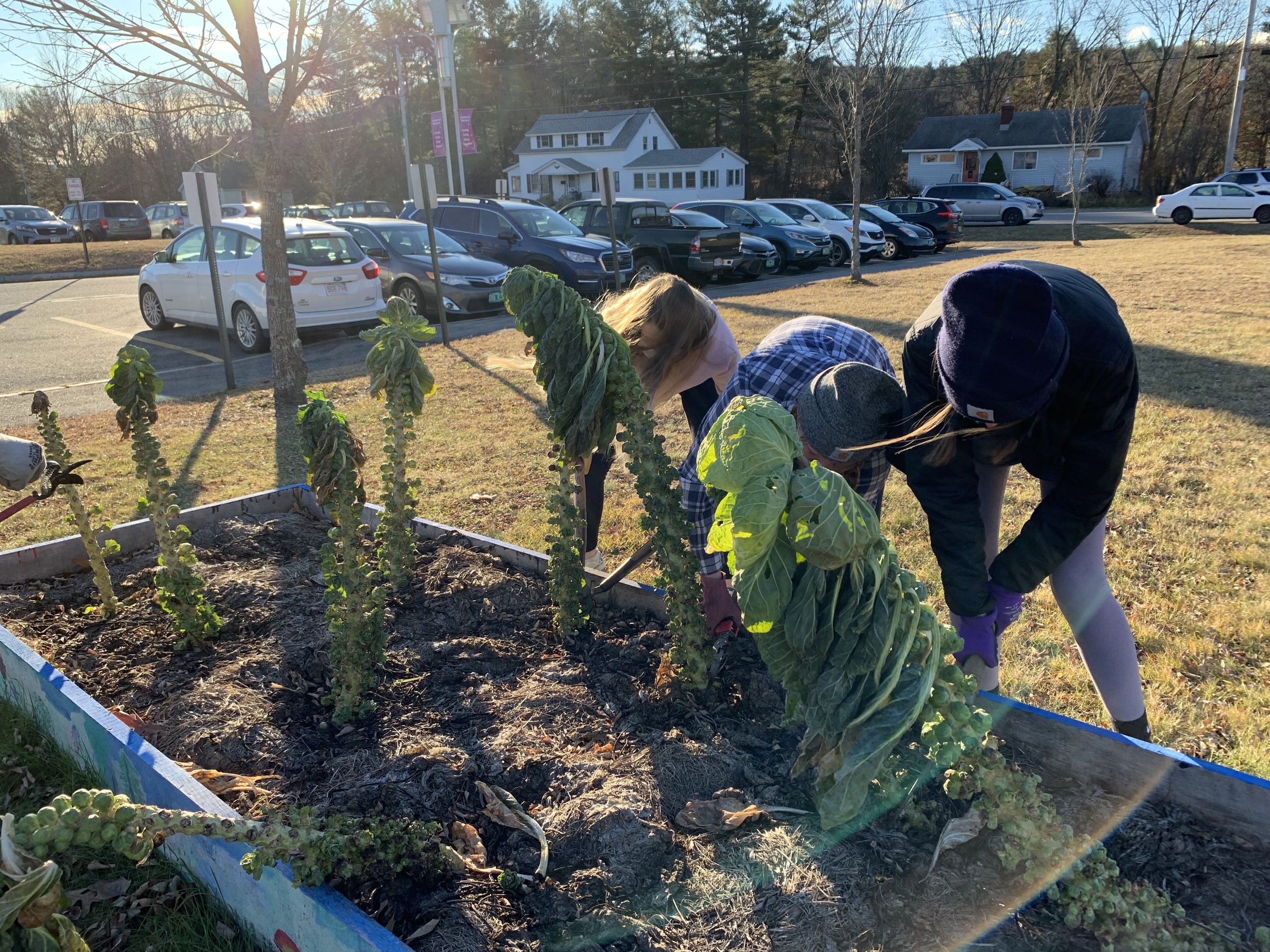
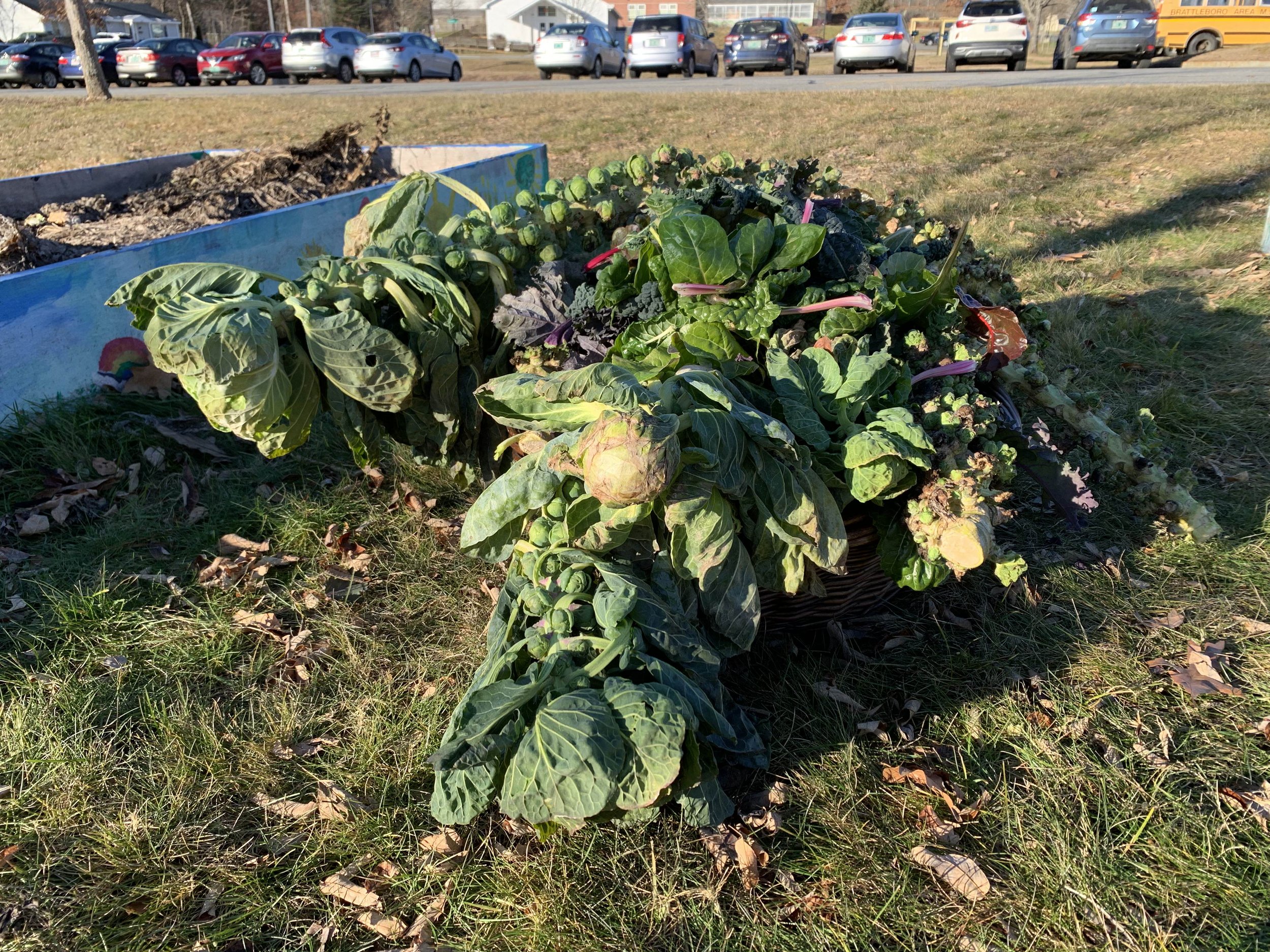
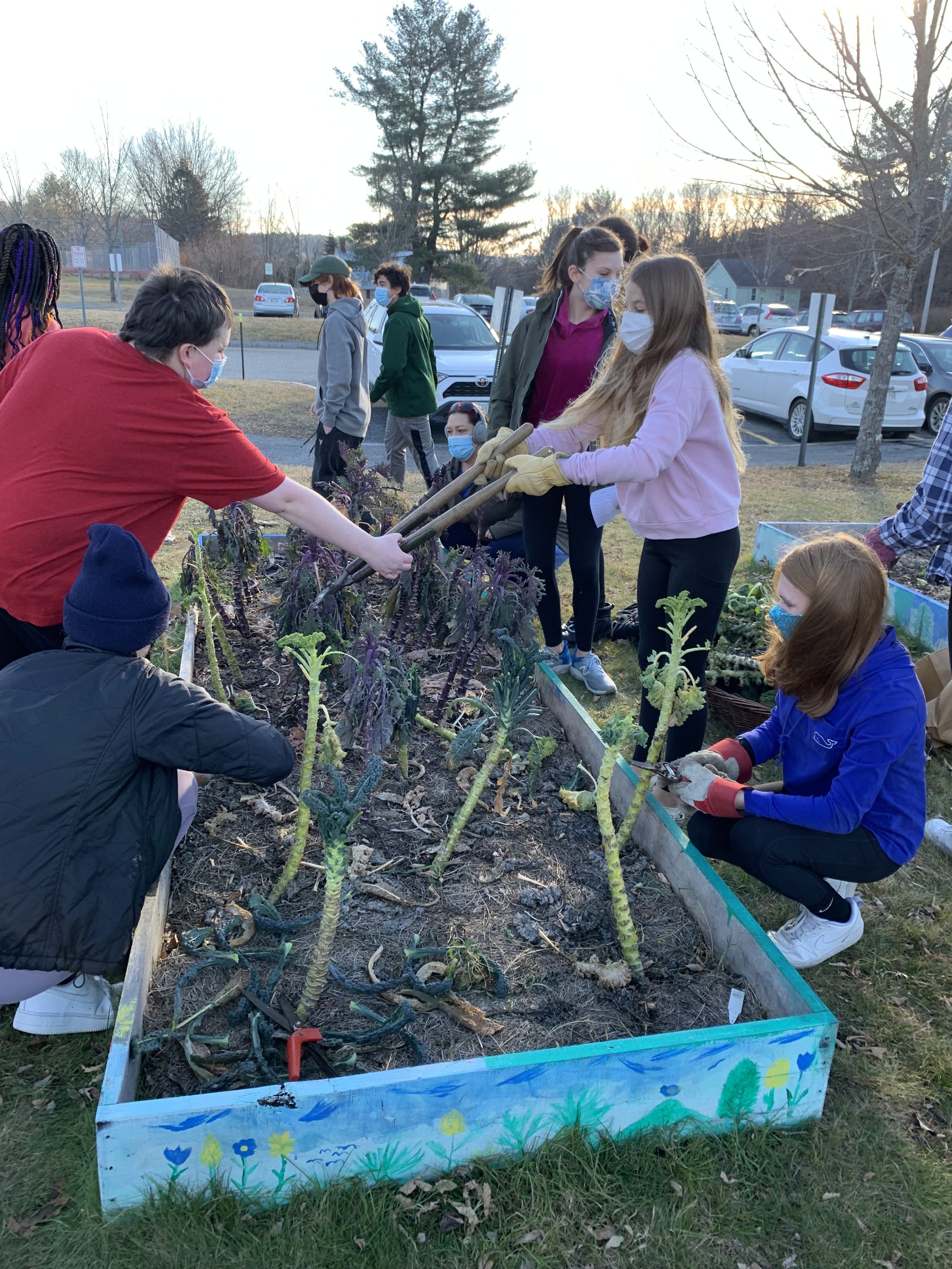
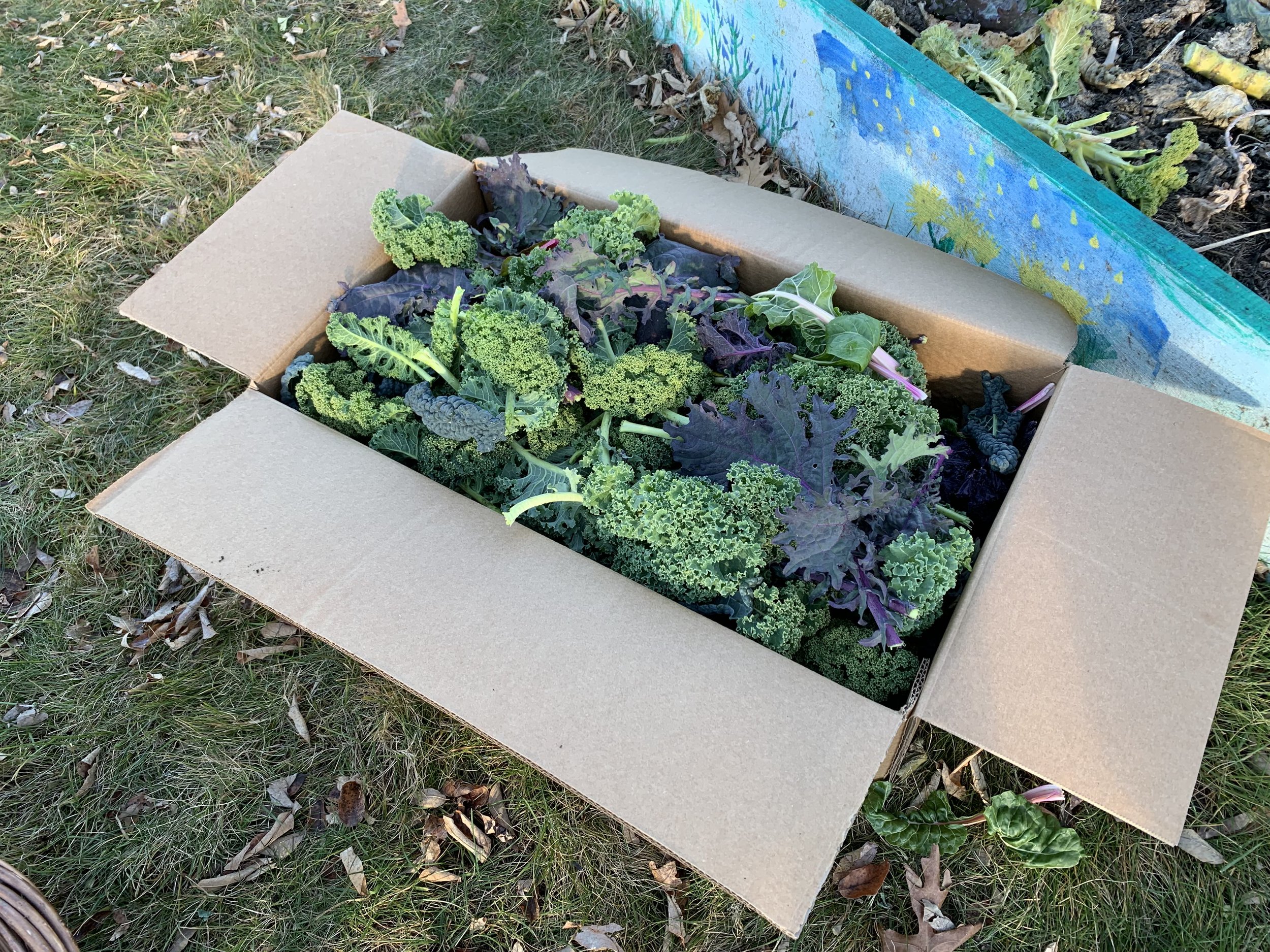
On a chilly morning in early December, Food Connects staff joined a group of approximately 15 students and Brattleboro Area Middle School (BAMS) teacher Mandy Nash for the final garden harvest and to put the school garden to rest for the winter. These new garden beds, built in the spring of 2021, finished the season strong! They were a source of fresh herbs for the school cafeteria throughout the summer and fall. This final harvest included Brussels sprouts, kale, and swiss chard. Food Service Director and chef Ali West of Fresh Picks Cafe was eager to transform the produce into a harvest salad for BAMS students to enjoy in the school cafeteria at lunchtime. 

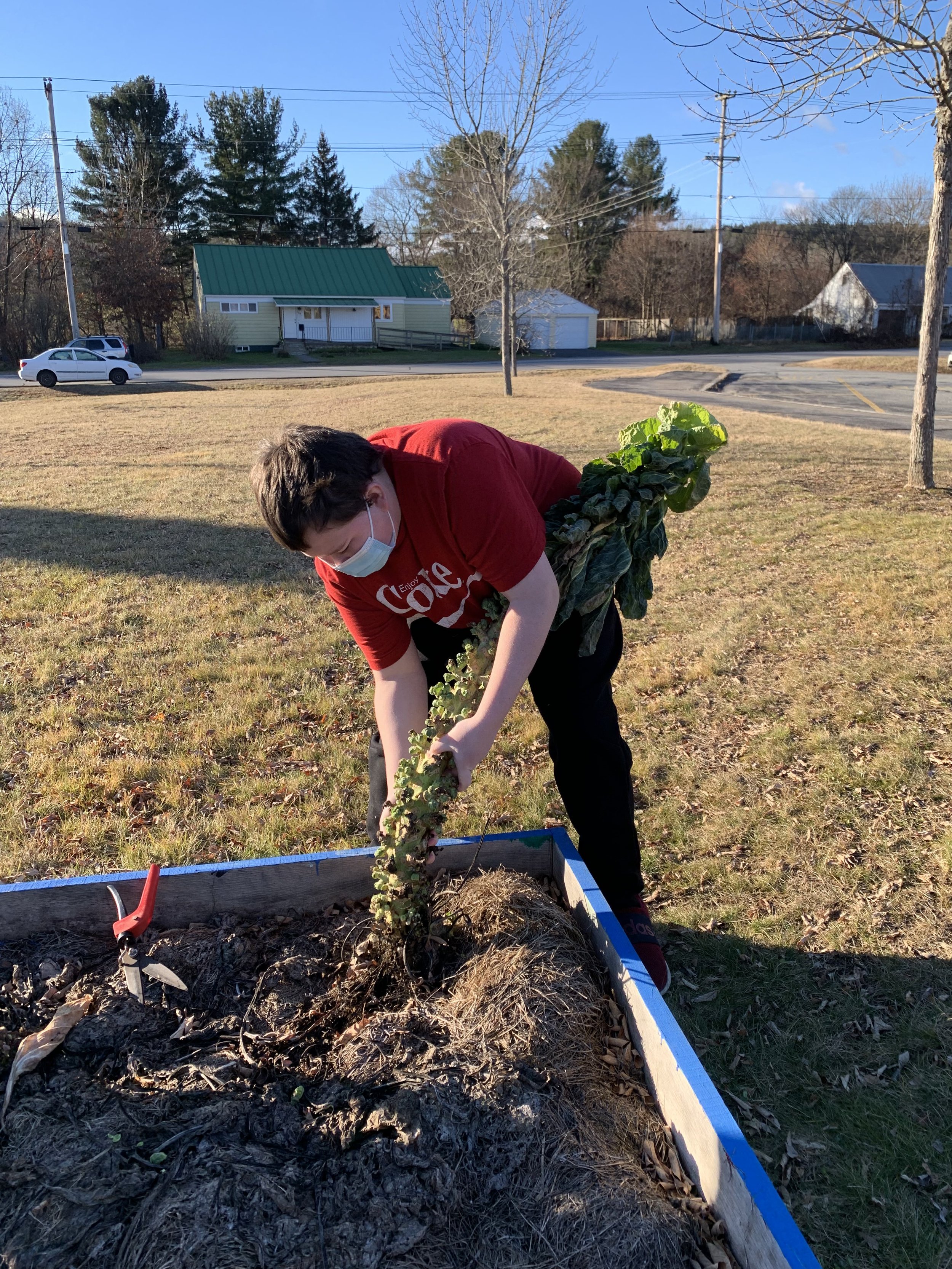
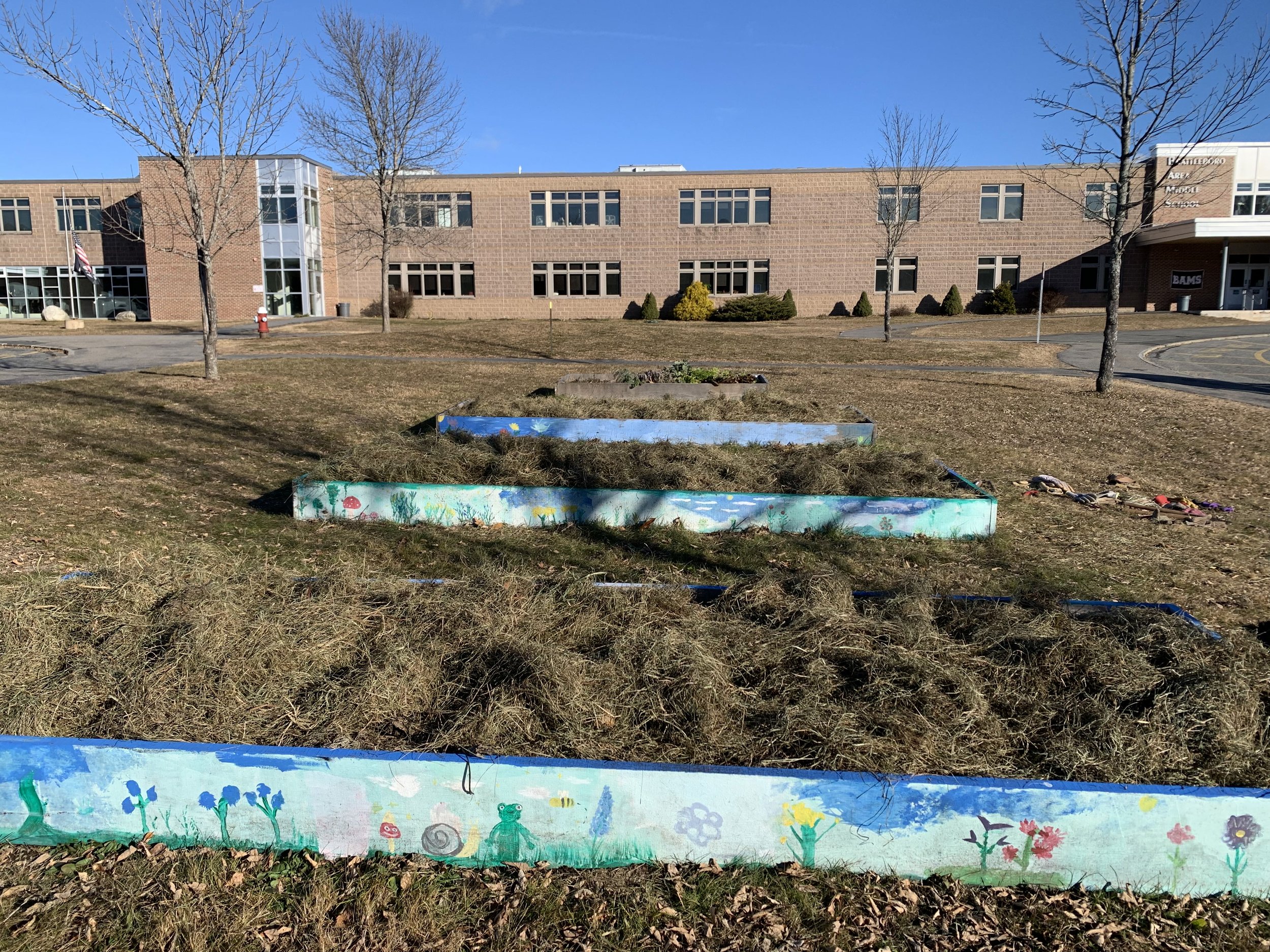
Students rose to the challenge of using big loppers to chop through the thick stems of the brussels sprouts, and several students were very curious to see the tiny aphids who had infested several kale leaves. At the end of the harvest, the last step was covering the beds in local mulch hay donated by a BAMS family from Guilford. 

Getting outside and doing hands-on garden work can be a rarity during the busy academic school day, and Food Connects was happy to provide the tools, resources, and support to help make this first harvest a success. BAMS is already thinking about spring planting in a few short months, and Ali West has requested more fresh herbs for her kitchen!

Sprouting Success with Farm to School

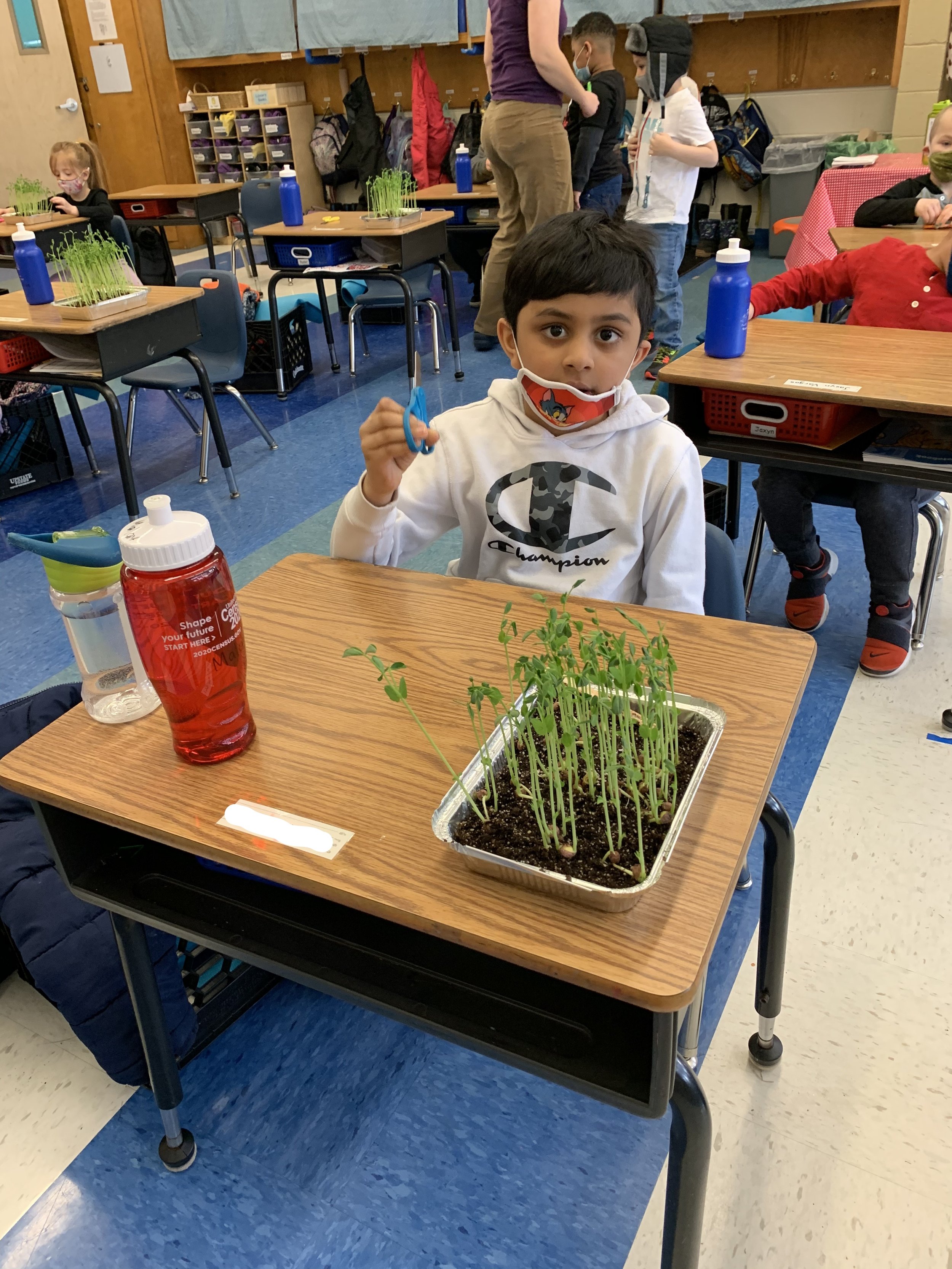
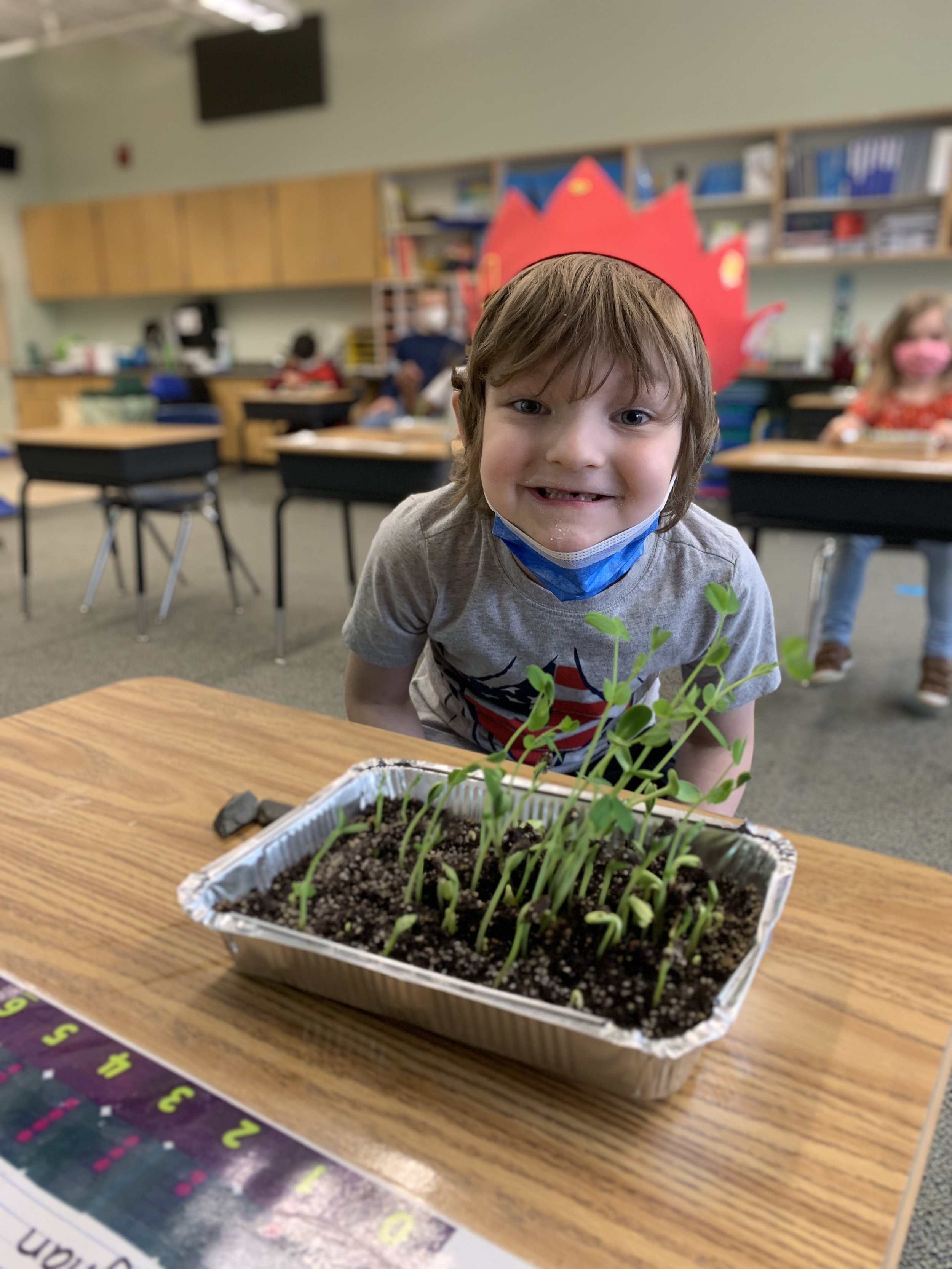
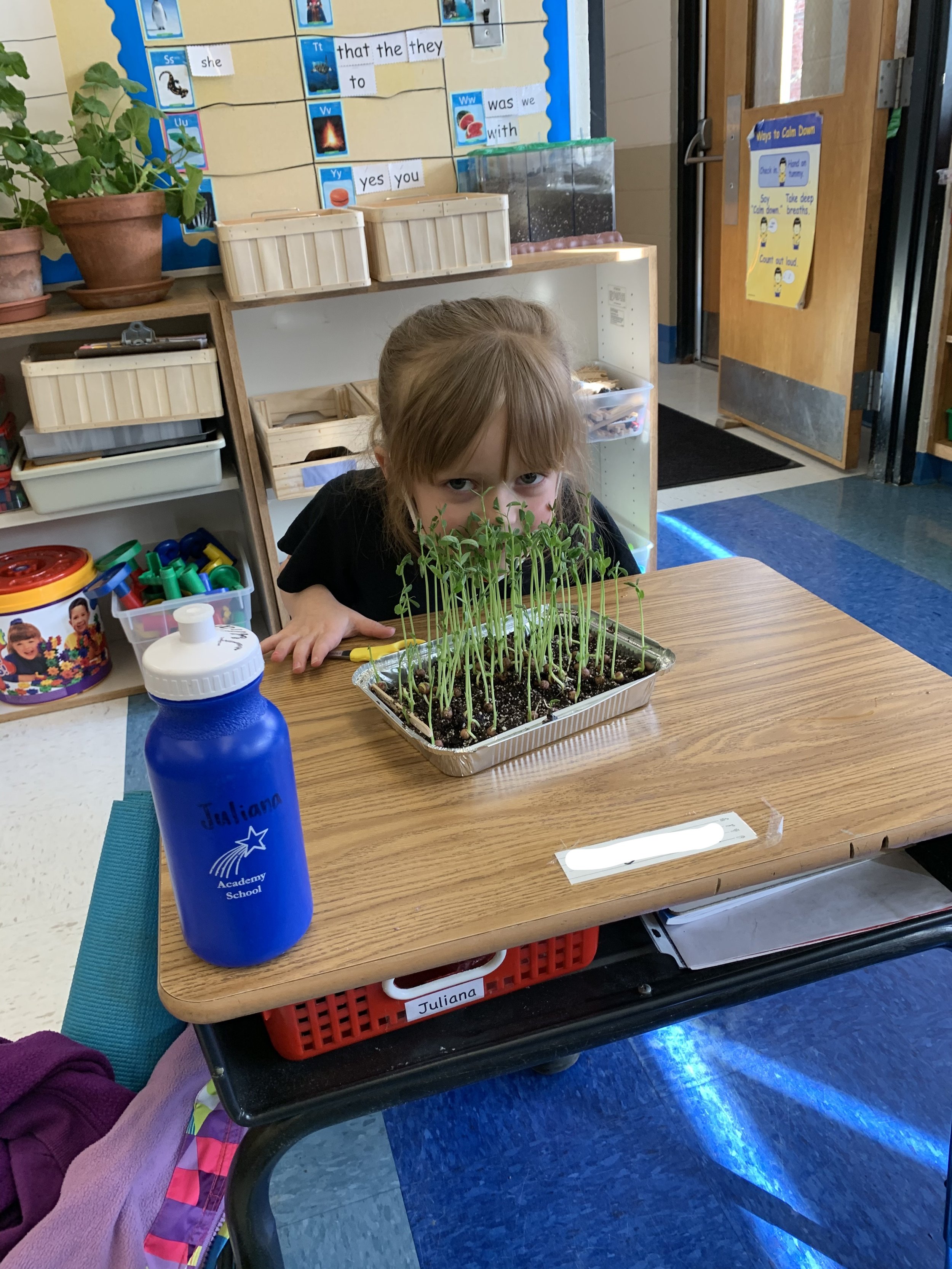
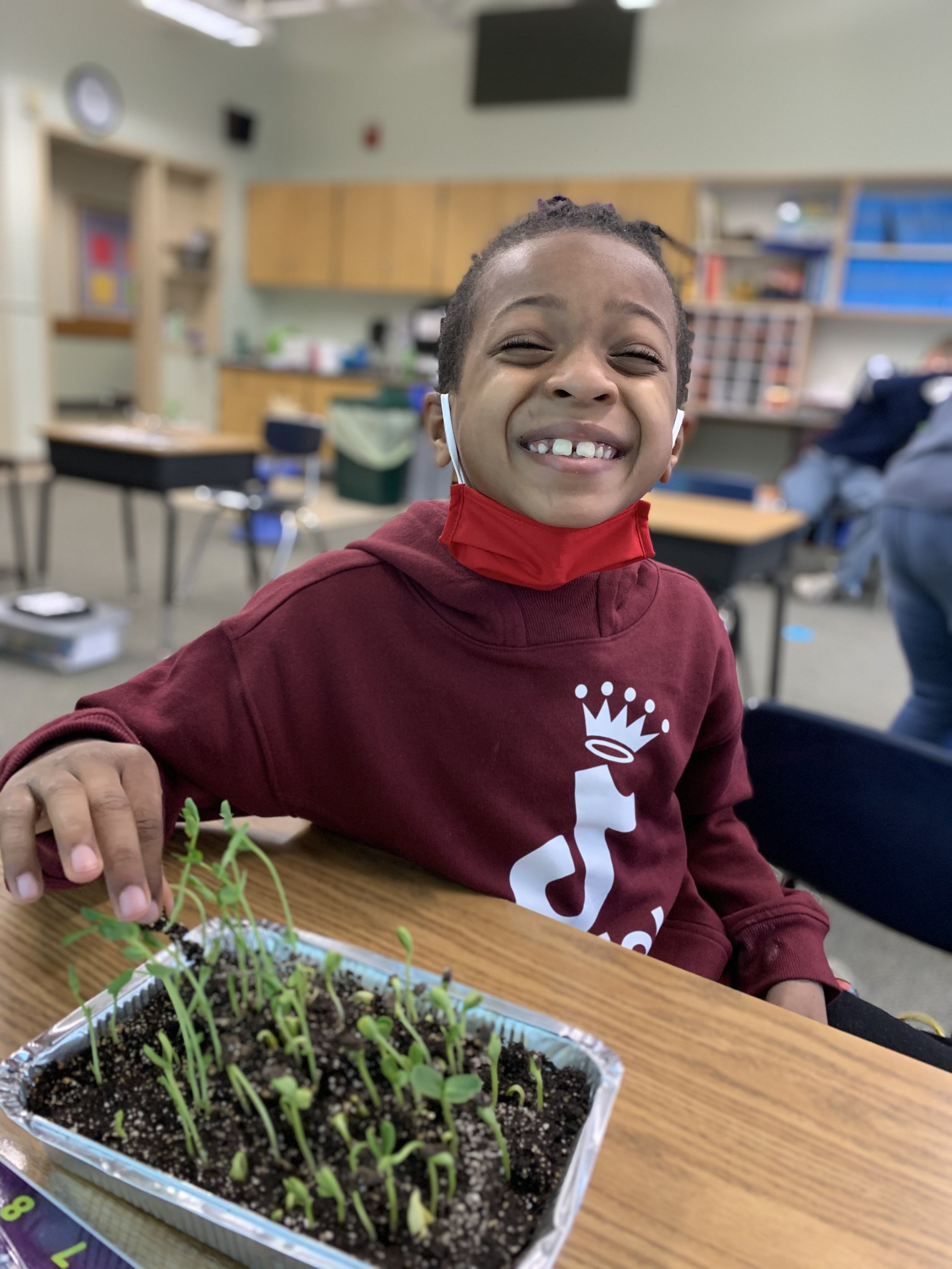
Our popular classroom sprouting kits are back! 

In the winter of 2021, we were looking to engage classrooms in Farm to School programming. We dusted off the archives of some old projects and decided to try out sprouting kits. And oh boy, was it a hit.

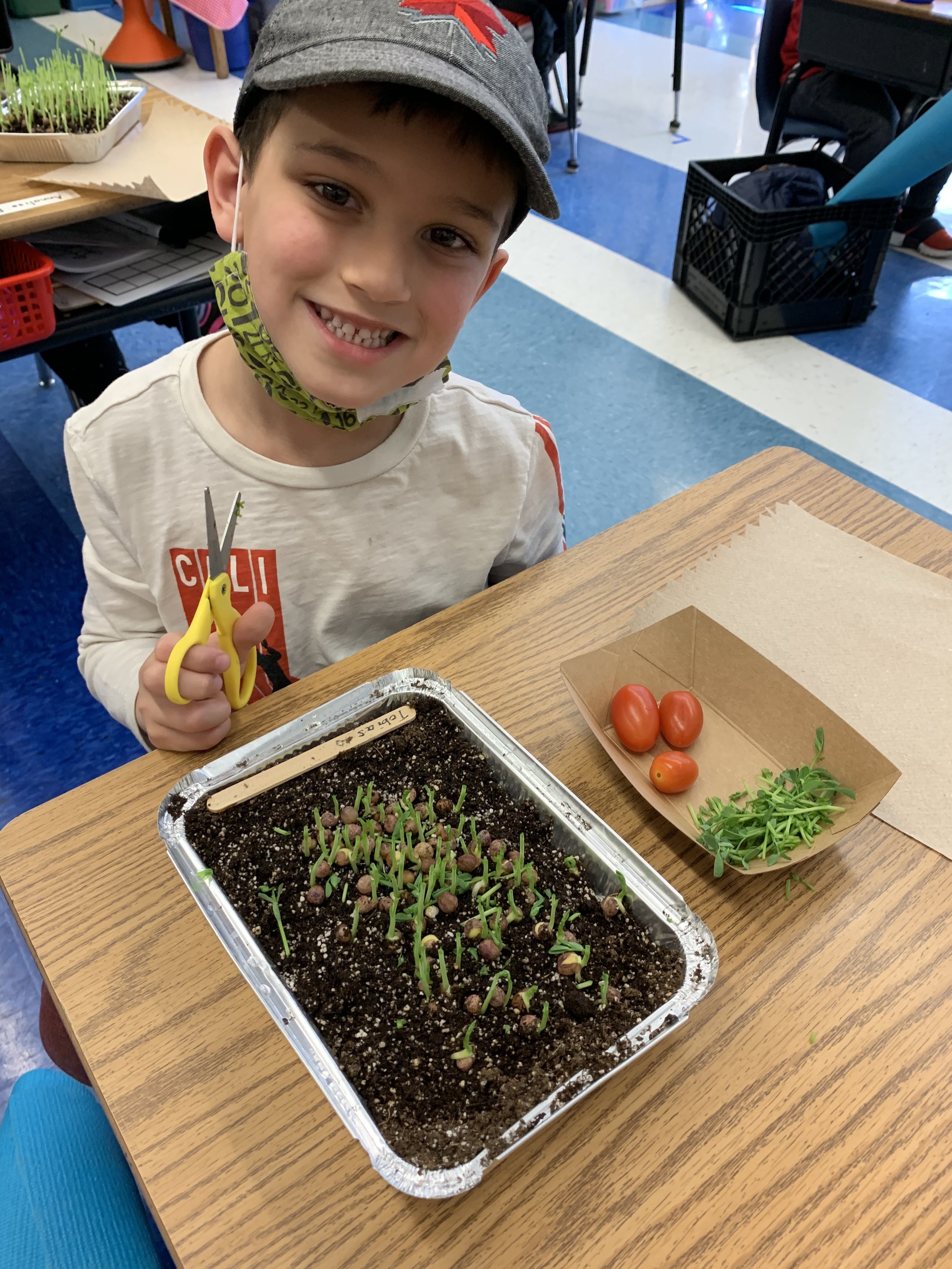
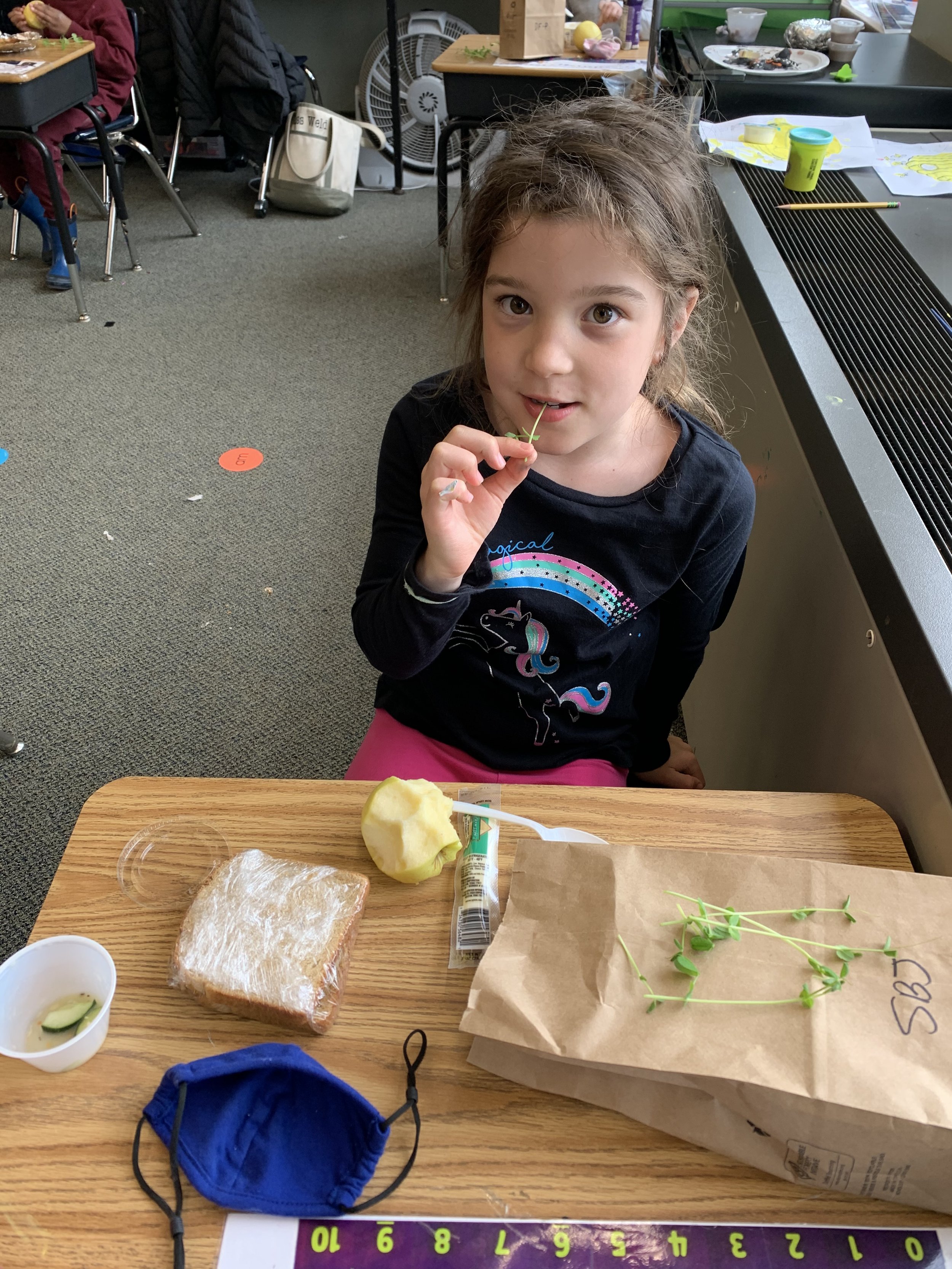
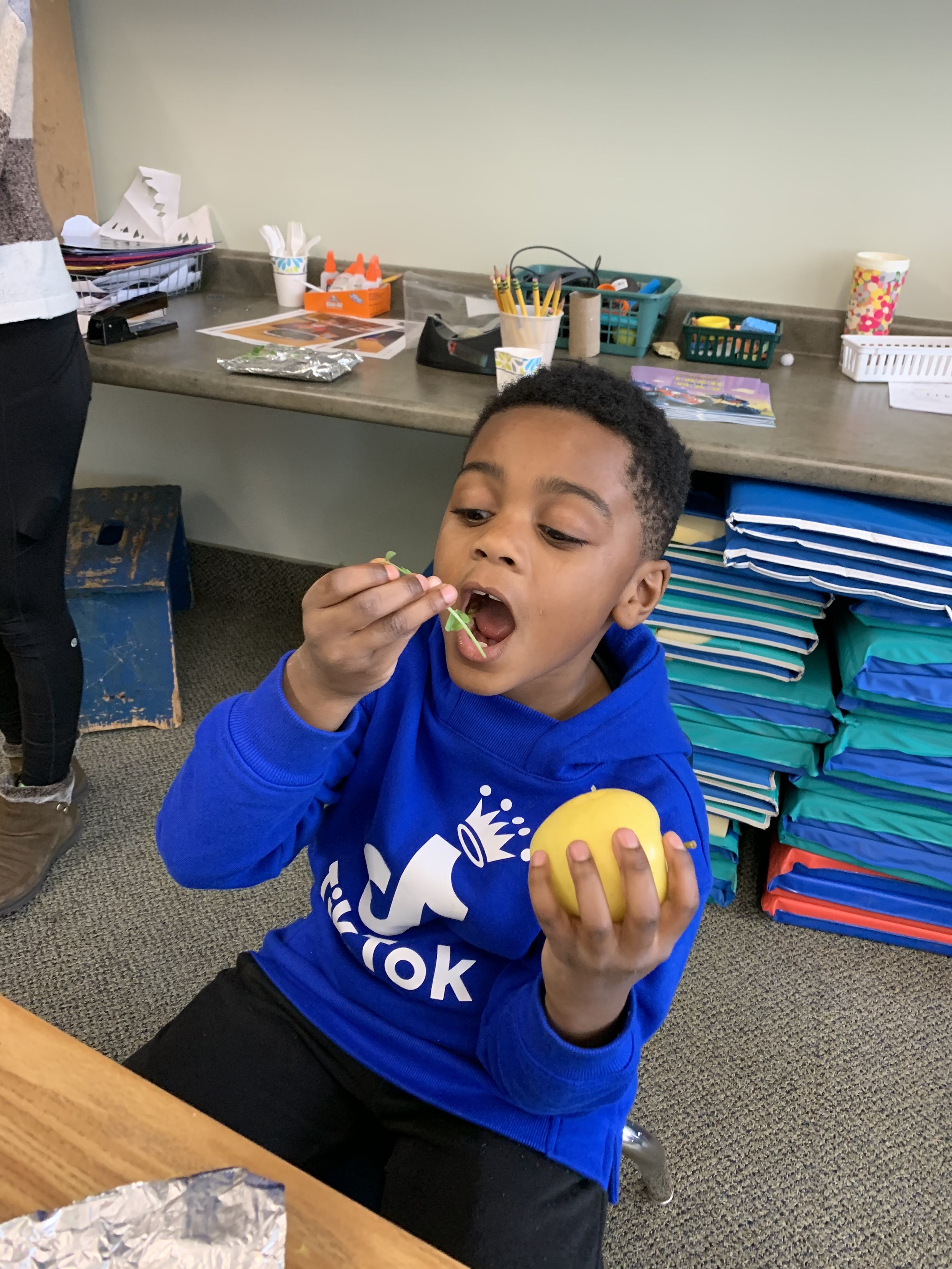
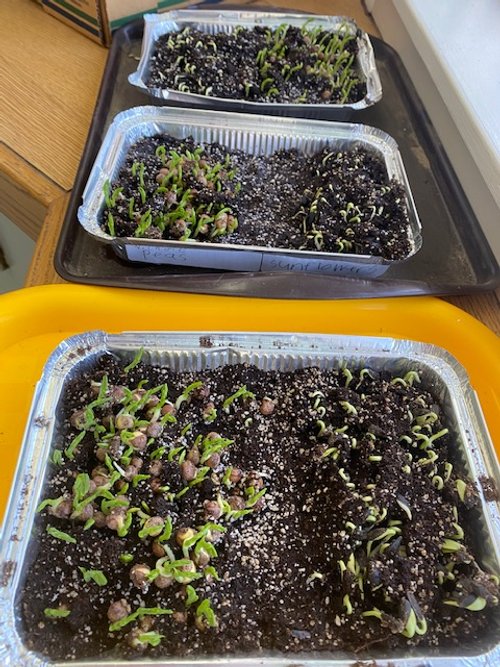
Sprouting kits seem pretty simple: each student gets an aluminum tray, some soil, growing instructions, and sunflower or bean shoot seeds. But multiply that number by 800—the amount we delivered to schools across Windham County in 2021—and it goes from a simple project to one that has a significant impact on our community. Imagine 800 students across the county taking care of their seeds, watching them grow, and taste testing them in a few short weeks!

And the sprouting kits were a huge success last year. Teachers could have a pre-packaged lesson planned that was easy to implement in their classrooms. Farm to School and gardening activities might be challenging for some teachers to implement in the cold winter months. This indoor activity enables all students access to farming and nutrition education, even when the school garden might be dormant. This hands-on opportunity to learn about planting seeds prepped the students for their spring school garden work and got many students excited about growing their food.

Because of the huge response to this program last year, Food Connects relied heavily on donations from our corporate sponsors like the Brattleboro Automall. The Brattleboro Automall feels a special responsibility to serve our local community and support local groups and events whenever possible. We are grateful for their continued support of our Farm to School program and ensuring we can continue to provide these excellent sprouting kits to the children in our local schools!

We are excited to announce that sprouting kits requests are now open for 2022.

We hope that bringing back our Sprouting Kits helps provide an opportunity for hands-on growing in your classroom. We will provide all of the materials, a lesson guide, and coaching from our FTS team to make sure you feel confident implementing this activity in your classroom. It could potentially tie into your science unit, be a primer for more growing projects this spring, or simply be a fun, hands-on activity for your students.  

Food Connects will deliver classroom kits to your school that contains: 

  • Aluminum trays for each student to grow their sprouts

  • Soil

  • Seeds (sunflower and pea)

  • Growing instructions

  • An optional lesson guide and book recommendations to pair with the activity

A Thriving NewBrook Farm to School Program

This article comes to us from Amy Duffy—the new Farm to School Coordinator at NewBrook Elementary School

“You are our sunshine!” This supportive message is displayed front and center on the walkway as students enter the new school year at NewBrook School. It set the tone for a year of learning, making connections, and sharing experiences with classmates and staff. As the new Farm to School Coordinator, it is true. The students are a ray of light. 

The Farm to School Program is an immersive outdoor learning experience focusing on gardening, healthy cooking, and nutrition education. Brought to NewBrook through a partnership with Food Connects—an organization that supports educators, food service directors, and farmers in cultivating healthy farm and food connections in classrooms, cafeterias, and communities across Southern Vermont. It is nothing short of amazing. 

The first three months have been exciting and rewarding. Sharing a passion for gardening and nutrition with children has always been a dream. The teachers and staff have been welcoming and willing to collaborate on bringing the outdoor classroom to life for students. Thus far this year, students worked to clean up the garden beds, spread compost, plant garlic, harvest mint and lemon balm for tea as well as save seeds to plant this Spring. Amaranth was explored as a nutritious grain that created a traditional Mexican sweet treat. 

NewBrook teachers and Principal Scotty Tabachnick value outdoor learning. 

First-grade teacher Ashley Moorhouse has created “Woods Wednesday,” where students take learning to the school trails. Fifth-grade teacher Joyce VanPamelen is an experienced Vermiculturist bringing worm composting into the classroom. Students regularly feed worms compost that will create soil for the gardens. Third-grade teacher Heather Sperling and staff built an outdoor clay oven where students learn wood-fired cooking methods and traditions. So far, the oven has been used for delicious wood-fired pizza with homemade dough. Fourth-grade teacher Jason Gragen is an avid fisherman and woods enthusiast who brings his knowledge of local fish and wildlife into the classroom to enhance the science experience. 

Future plans include an introduction to hydroponics, microgreen cultivation, Harvest of the Month taste testing, seedling starts for the Spring garden, pollinator exploration, and a Spring Celebration. Stay tuned for more community events. 

By Amy Duffy 

NewBrook Farm to School Coordinator

Advocates supportive of Legislation that would increase the amount of Local Food in Schools Speak Out at Stonewall Farm Event

PRESS RELEASE
1/12/21

For immediate release
Contact:
Roe-Ann Tasoulas
Director
coordinator@mfccoalition.org
(c) (603) 852-3198

Monadnock Farm & Community Coalition

Join farmers, educators, and bill sponsors as they come together to advocate on behalf of legislation that would increase local food in schools on Friday, January 21, 2021, from 12:00 to 1:00 PM at Stonewall Farm in Keene. House Bill 1657, or “Local Food for Local Schools Reimbursement Bill” aims to increase the amount of New Hampshire-grown food that’s served in public schools. 

This bipartisan effort sets a statewide target that 10 percent of the food served in schools will be grown in the state. 

According to Rep. Alexis Simpson, an Exeter Democrat, and bill co-sponsor, “Under the proposal, schools that purchase local food would be eligible for reimbursement from federal nutrition funding. We want to increase the number of schools that can spend money on local food, as well as the total amount of money spent in the New Hampshire agricultural economy."

The reimbursement program will incentivize NH school districts and food service directors to purchase locally grown and produced food for breakfast and lunch services in cafeterias, boosting youth health and wellness and agricultural viability. 

“The Bill will annually channel $1.8 million in federal and state funds directly into our farm and food economy, supporting local farmers and producers which, in turn, will support our local economies,” adds Roe-Ann Tasoulas, director of the Monadnock Farm and Community Coalition. “And our school children will enjoy the benefit of eating even more healthy, locally produced food at cafeteria meals – it’s a major win-win for everyone."

In addition to federal funding, the program would also require some state investment in a software program the Department of Education would use to administer the program.

Fresh milk and cookies will be served at the event. 

To email your legislators in support of House Bill 1657, go to https://nhhungersolutions.org/advocacy


The Monadnock Farm and Community Coalition is a coalition of 140+ member organizations and individual members who come together regularly to build a robust, sustainable, and equitable local food system in the Monadnock Region of Southwestern NH.

New Hampshire Farm to School Network is made up of interested Farm to School players from all regions, and across sectors including educators, food service, and procurement. The network will strengthen the ability of Farm to School programs around NH to collaborate on key issues like funding, finding resources and tools, sharing contacts, and brainstorming.